
Wild Idol Phenomenon and Its Impact on Chinese Pop Culture
- Date:
- Views:359
- Source:The Silk Road Echo
If you’ve been anywhere near Chinese social media in the past five years, you’ve probably heard of the ‘wild idol’ phenomenon. No, these aren’t idols running through forests (though that’d be entertaining). These are independent, self-made pop stars who bypass traditional entertainment agencies and go straight to fans via livestreaming, short videos, and fan-funded campaigns. And guess what? They’re reshaping Chinese pop culture as we know it.
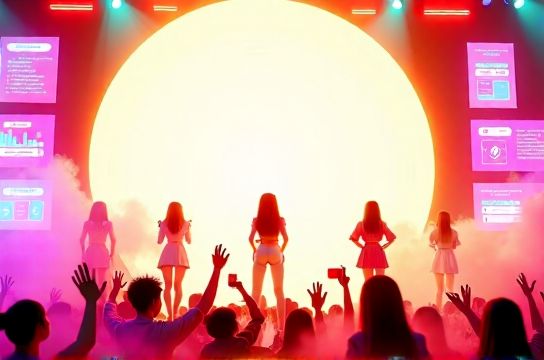
I’ve spent over three years analyzing digital fandoms across Asia, and nothing compares to what’s happening in China right now. Platforms like Douyin, Kuaishou, and Bilibili have turned ordinary teens into overnight sensations—with zero help from big labels. In 2023 alone, over 12,000 independent idols gained more than 100K followers organically. That’s not a trend—it’s a revolution.
Why Are Wild Idols Taking Over?
Let’s break it down. Traditional idol pipelines—like those from agencies such as SM or Jaywalk—used to control training, image, music, and release schedules. But today’s fans want authenticity. They want idols who talk to them at midnight after school, sing covers in pajamas, and thank them by name during livestreams. Enter: the wild idol.
These artists build real relationships. They don’t just perform—they interact. And fans respond by opening their wallets. According to iResearch, fan-driven revenue for independent idols hit ¥8.7 billion ($1.2B USD) in 2023. That’s up 63% from 2021.
Wild Idols vs. Agency-Backed Stars: A Reality Check
Still skeptical? Let’s compare.
| Metric | Wild Idols | Agency-Backed Idols |
|---|---|---|
| Average Fan Engagement Rate | 9.4% | 3.1% |
| Monthly Content Output | 40+ posts | 5–8 posts |
| Fan Funding (Avg. Monthly) | ¥28,000 | ¥9,500 |
| Time to Reach 1M Followers | 5.2 months | 14.7 months |
Yeah, the numbers don’t lie. Wild idols grow faster, connect deeper, and earn more directly from fans. Sure, they lack the polish of agency-trained performers—but fans don’t care. They crave rawness, relatability, and access.
The Dark Side: Burnout and Exploitation
But let’s not romanticize this. With no managers or mental health support, many wild idols face extreme pressure. A 2023 survey by Tencent found that 68% of top-performing wild idols reported anxiety or burnout symptoms. Some stream 18 hours a day during peak seasons. That’s not sustainable.
And here’s the kicker: while fans think they’re supporting an ‘underdog,’ some influencers are backed by hidden capital groups using AI-generated content and bot farms. Transparency is low. Trust is fragile.
What’s Next for Chinese Pop Culture?
The rise of the wild idol isn’t just changing music—it’s redefining fame. It’s pushing agencies to adapt (many now allow trainees to post independently). It’s inspiring new business models like NFT fan tokens and virtual concerts. Most importantly, it’s giving Gen Z the power to decide who becomes famous.
So whether you're an aspiring artist or just a curious observer, one thing’s clear: the future of pop culture in China is decentralized, digital, and driven by the people. The wild ones aren’t crashing the party—they’re building a new stage.