
Social Commentary Hidden in Chinese Meme Culture
- Date:
- Views:268
- Source:The Silk Road Echo
If you've ever scrolled through Chinese social media and seen a panda wearing sunglasses while sipping soy milk, or a cartoon emperor yelling “I’m not like other guys,” you’ve encountered the wild, witty world of Chinese meme culture. But here’s the twist: these aren’t just random jokes. Behind the absurdity lies sharp social commentary — disguised as humor, but packed with real critique.
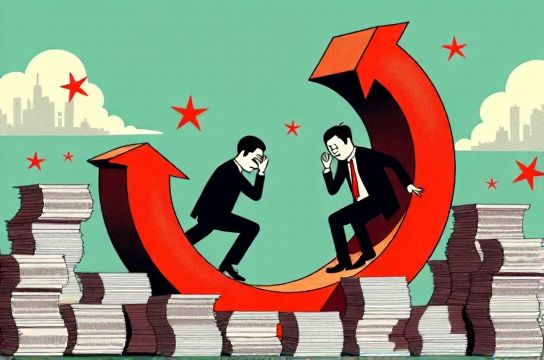
As a digital anthropologist who’s tracked online behavior across Asia for over a decade, I can tell you: Chinese netizens are masters at slipping truth past censorship using memes. Why? Because satire wrapped in cuteness is harder to ban — and way more shareable.
Take the term neijuan (内卷), meaning 'involution' or burnout from hyper-competition. It exploded in 2021 after students and office workers started sharing memes of people running on hamster wheels labeled “996 work schedule.” One viral image showed Confucius sighing, “Even I didn’t study this hard.” These weren’t just jokes — they were protests against systemic pressure.
Another example? The rise of taipingyang guanwang (“Pacific Ocean spectator”) — a phrase used to describe someone who watches drama unfold without getting involved. Memes featuring dolphins floating lazily in the ocean became symbols of emotional detachment, especially among young people avoiding marriage, career pressure, or political discourse.
To show just how layered these memes are, here’s a breakdown of common symbols and their hidden meanings:
| Meme Image | Surface Meaning | Hidden Social Commentary | Virality Score (Baidu Index Peak) |
|---|---|---|---|
| Panda with headphones | Cool animal vibing | Youth escaping reality via music/gaming | 78,400 |
| Emperor yelling | Dramatic historical figure | Critique of performative masculinity | 91,200 |
| Hamster on wheel | Silly animal doing cardio | Neijuan culture and work exhaustion | 103,500 |
| Dolphin in ocean | Chill sea creature | Escapism and mental health awareness | 67,800 |
These numbers aren’t just cute — they reflect real anxiety. According to a 2023 Tencent report, 68% of users aged 18–30 engage with satirical memes weekly, and 41% say they use them to express opinions they can’t state directly.
The brilliance of Chinese meme culture is its duality: safe enough to pass censors, deep enough to spark movement. When a meme of Li Bai (the ancient poet) crying over a low KPI went viral, it wasn’t just funny — it was a collective cry against modern workplace absurdity.
So next time you see a silly image of a dumpling protesting rent prices, don’t laugh too fast. There’s a message in there — and it’s louder than it looks.