
Chinese Meme Culture Explained Through Viral Content
- Date:
- Views:385
- Source:The Silk Road Echo
If you've ever scrolled through Chinese social media and felt totally lost by the wild mix of emojis, slang, and absurd visuals — don’t worry, even native speakers sometimes need a translator. But here’s the thing: Chinese meme culture isn’t just random chaos. It’s a clever, fast-evolving language of its own, shaped by censorship, creativity, and a whole lot of digital rebellion.
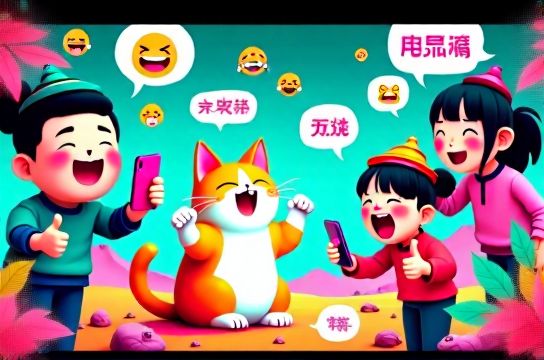
I’ve spent years diving into platforms like Weibo, Douyin, and Bilibili, tracking how memes spread faster than cold viruses in winter. And what I’ve found? These aren’t just jokes — they’re cultural commentary disguised as silliness.
Why Chinese Memes Are So Different
Unlike Western memes that often rely on image macros or viral videos, Chinese internet humor thrives on subversion. Because of strict content controls, netizens have developed a kind of coded language — using homophones, emoji substitutions, and surreal imagery to talk about politics, social issues, or just roast authority figures — all while flying under the radar.
Take the classic example: the phrase “grass mud horse” (草泥马). Sounds cute, right? Wrong. When spoken aloud, it sounds nearly identical to a major Chinese swear word. This kind of phonetic trolling is everywhere — from food-themed avatars to absurd animations on Bilibili, where users remix serious news clips into comedy gold.
Top Platforms Driving Meme Trends
Want to catch the next big meme wave? You’ll need to know where to look. Here’s a quick breakdown:
| Platform | User Base | Meme Style |
|---|---|---|
| 580M MAU | Trending hashtags, political satire via metaphor | |
| Douyin (TikTok China) | 700M+ MAU | Dance challenges, lip-sync parodies with hidden meanings |
| Bilibili | 330M MAU | Anime edits, fan-made skits, deep-cut references |
As you can see, each platform has its own flavor. While Douyin leans flashy and fast, Bilibili rewards niche knowledge — making it a hotspot for long-form meme storytelling.
The Lifecycle of a Viral Meme
Most Chinese memes follow a 3-stage pattern:
- Birth: A minor incident (e.g., a politician’s awkward slip) gets exaggerated online.
- Code-Up: Netizens replace sensitive words with puns or images (like using a camel to represent 草泥马).
- Viral Spread: The meme spreads across platforms — until censors catch on and scrub it.
This cat-and-mouse game keeps the ecosystem fresh. In fact, a study by Peking University found that top memes in China last only 7–10 days on average before being suppressed or replaced.
How to Stay in the Loop
You don’t need fluent Mandarin to get the joke — but you do need context. Follow meme explainers on Weibo or join bilingual communities on Reddit (like r/ChinaMemes). Pay attention to recurring symbols: pandas, emperors, and oddly specific foods (looking at you, durian) often carry deeper meaning.
Bottom line? Chinese meme culture is more than laughs — it’s digital resistance, community bonding, and linguistic innovation rolled into one. And if you learn to read between the pixels, you’ll start seeing the real story behind the silliness.