
Chinese Internet Slang and Youth Identity Today
- Date:
- Views:264
- Source:The Silk Road Echo
In today’s digital China, internet slang isn’t just about shortcuts or memes—it’s a full-blown cultural movement. From dazi (big guy) to xiaoxianrou (little fresh meat), young netizens are reshaping identity, humor, and social commentary through language. These expressions aren’t random; they reflect generational attitudes, societal pressures, and even resistance to authority.
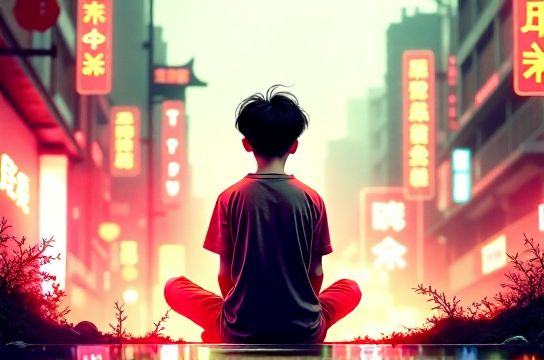
Take the term wanghong economy—it’s more than influencers selling skincare. It’s a lifestyle built on irony, relatability, and speed. A 2023 report by iiMedia Research shows that over 680 million Chinese users engage with internet slang daily, with 72% aged 15–35. This isn’t just chatting—it’s code-switching in real time.
Why does this matter? Because slang like neijuan (involution) and tangping (lying flat) emerged as responses to burnout culture. They’re not just words—they’re movements. In fact, a survey by Tencent found that 58% of urban youth identify with tangping as a coping strategy against work pressure.
| Slang Term | Literal Meaning | Cultural Significance | Usage Growth (2020–2023) |
|---|---|---|---|
| Neijuan | Involution | Hyper-competition with no real gain | +340% |
| Tangping | Lying Flat | Rejecting grind culture | +290% |
| Fansi | Rice-sixin | Supporting idols obsessively | +220% |
| Zaoxing | Get up early | Ironic motivation meme | +180% |
Platforms like Bilibili and Xiaohongshu act as slang incubators. Here, identity is performative—users adopt personas through phrases like wo ta ma le (I’m freaking out) or juezi (literally dead, meaning overwhelmed). These aren’t just jokes; they build community among those navigating education stress, job markets, and family expectations.
The rise of youth digital identity is also tied to censorship. When direct criticism is risky, irony thrives. Saying someone is very qualified might actually mean they’re corrupt. This layered communication creates in-group trust—those who get it, belong.
Brands have noticed. Companies now hire ‘slang consultants’ to sound authentic. But missteps go viral fast. A 2022 campaign by a beverage brand using neijuan to promote energy drinks was mocked for missing the point entirely—involution isn’t something to celebrate.
So what’s next? As Gen Z gains economic power, their language will keep shaping public discourse. The line between online persona and real identity blurs. And while some slang fades (bailegou, anyone?), the ones tied to real emotion—frustration, hope, solidarity—endure.
In short: if you want to understand China’s youth, start by listening to how they speak online. It’s raw, clever, and unfiltered—a linguistic revolution one emoji at a time.