
Satirical Skits Exposing Urban Life Pressures in China
- Date:
- Views:290
- Source:The Silk Road Echo
In recent years, satirical skits have taken China's digital stage by storm, using humor to spotlight the everyday struggles of urban life. From skyrocketing housing prices to soul-crushing work hours, these comedic sketches—often just a few minutes long—are resonating deeply with millions of young city dwellers.
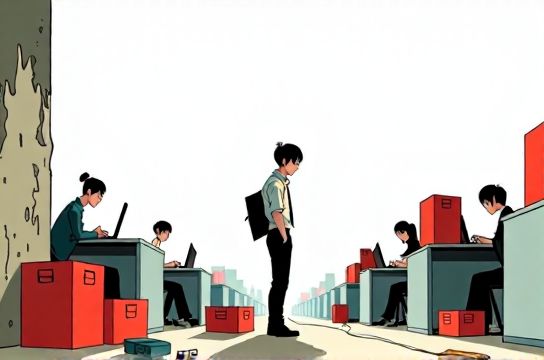
Platforms like Douyin (TikTok), Kuaishou, and Bilibili have become breeding grounds for this new wave of social commentary wrapped in laughter. Take the viral sketch '996 Is My Blessing', where an overworked office worker sarcastically thanks his boss for the 'privilege' of working 72-hour weeks. The video racked up over 15 million views in 48 hours, sparking heated debates about work-life balance.
Why are these skits so powerful? Because they're not just jokes—they're reflections of real data. Consider this: according to China's National Bureau of Statistics, average urban housing prices in Tier-1 cities like Beijing and Shanghai exceed 60,000 RMB per square meter, while the median annual salary hovers around 120,000 RMB. That means buying a modest 60-square-meter apartment takes over 30 years of income—before taxes or living expenses.
| Metric | Tier-1 Cities | Tier-2 Cities | National Average |
|---|---|---|---|
| Avg. Housing Price (RMB/m²) | 60,000 | 18,000 | 11,500 |
| Median Annual Salary (RMB) | 120,000 | 75,000 | 60,000 |
| Price-to-Income Ratio | 30.0 | 14.4 | 9.6 |
These numbers aren't just dry stats—they're punchlines in disguise. Comedians like Li Dan and Wang Mudou have built massive followings by turning such realities into biting satire. In one sketch, a character tries to 'optimize' his life by sleeping in his office, eating instant noodles labeled 'protein solution,' and calling his mom on a 30-second timer. It’s absurd, yes—but also uncomfortably close to truth for many white-collar workers.
The rise of these skits also reflects a shift in public discourse. With traditional media often cautious about sensitive topics, short-form comedy has become a backdoor for social critique. As one netizen commented: 'They laugh because they can’t cry.'
And it’s not just about rent or overtime. Skits tackle dating pressures ('My parents set me up with a girl who owns half a bathroom'), healthcare anxiety, and the elusive dream of upward mobility. One popular series follows 'Little City Mouse,' a rural migrant whose dreams of success slowly erode under workplace politics and urban loneliness.
What makes these performances stick is their authenticity. Filmed on smartphones, shot in cramped apartments or subway stations, they feel raw and real. Algorithms amplify them because they generate engagement—people share, comment, and tag friends with captions like 'This is literally me.'
Still, there's a fine line between satire and censorship. Some creators report having videos pulled or accounts restricted after touching on 'sensitive' themes. Yet, the genre persists—because the pressure doesn’t go away, and neither does the need to laugh at it.
In a society where success is measured by ownership and output, these skits offer something rare: permission to be imperfect, overwhelmed, and human. They’re not solving China’s urban crises—but they’re naming them, one punchline at a time.