
Everyday Scenarios That Inspire China's Top Memes
- Date:
- Views:252
- Source:The Silk Road Echo
If you've spent any time scrolling through Chinese social media—whether it’s Weibo, Douyin, or Xiaohongshu—you’ve probably encountered memes so relatable they feel like they were made just for you. But here’s the twist: many of China’s most viral memes don’t come from professional comedians or Hollywood scripts. They’re born from the mundane moments we all experience—from subway struggles to office small talk.
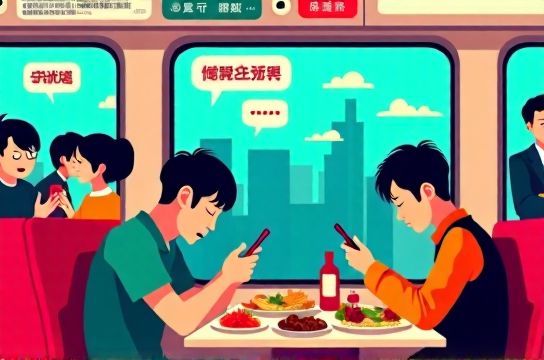
The Magic of Mundanity
China’s meme culture thrives on hyper-local realism. A man squinting at a tiny restaurant menu? Meme. A student yawning during a 8 a.m. lecture at Peking University? Instant share. These snapshots of everyday life resonate because they reflect shared experiences in a rapidly urbanizing society.
Take the 'Lie Flat' (躺平) movement. What started as a sarcastic response to workplace burnout became a national conversation—and a goldmine for meme creators. Images of people napping in bathtubs or lounging under desks flooded feeds, symbolizing quiet resistance against societal pressure.
Top 5 Real-Life Moments That Became Viral Memes
Let’s break down the ordinary situations that sparked extraordinary online reactions:
| Scenario | Meme Name | Platform Peak | Estimated Shares |
|---|---|---|---|
| Rush hour subway crush | 'Sardine Mode Activated' | Weibo, 2022 | 3.2 million+ |
| Forgetting your phone at home | 'Digital Amnesia' | Douyin, 2023 | 4.7 million+ |
| Parents asking about marriage | 'Spring Festival Interrogation' | Xiaohongshu, 2021 | 2.9 million+ |
| Ordering coffee with 17 customizations | 'Gen Z Barista Nightmare' | WeChat Moments, 2023 | 1.8 million+ |
| Trying to avoid eye contact on elevators | 'Elevator Zen' | Bilibili, 2022 | 2.1 million+ |
Why Do These Resonate So Deeply?
It’s simple: authenticity. In a country where over 1 billion people are online, the need for emotional connection is huge. Memes act as digital inside jokes—tiny rebellions against monotony.
Consider the rise of 'Tang Ping' (lying flat) and 'Sang Culture' (depressed aesthetics). These aren’t just trends—they’re cultural barometers. A 2023 survey by iResearch found that 68% of urban millennials engage with self-deprecating memes weekly, using humor to cope with stress.
How to Spot the Next Big Meme
Keep an eye on these triggers:
- Commute chaos – Overcrowded metros = endless material.
- Family drama – Holiday gatherings are meme goldmines.
- Workplace absurdity – From mandatory team-building to unread emails.
The key? Relatability + exaggeration + timing. A single photo of a man crying while eating instant noodles after missing his train racked up 500k likes—because everyone’s been there.
Final Thoughts
China’s top memes aren’t just funny—they’re social commentary wrapped in pixelated emotion. They turn universal frustrations into collective laughter, proving that sometimes, the most powerful content comes not from studios, but from the subway seat next to you.