
Sarcasm and Irony in Mainland China's Online Discourse
- Date:
- Views:303
- Source:The Silk Road Echo
In the vibrant, fast-paced world of mainland China’s online culture, sarcasm and irony aren’t just linguistic quirks—they’re survival tools, inside jokes, and subtle forms of resistance rolled into one. From Weibo banter to Douyin memes, netizens have mastered the art of saying one thing while meaning another, often with a wink and a well-placed emoji. But how did this ironic tone become so central to digital communication in China? And what does it reveal about society beneath the surface?
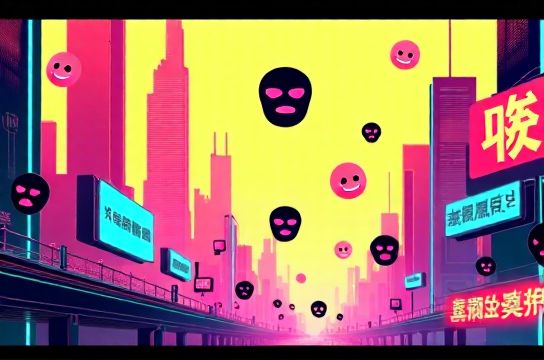
The Rise of ‘Reverse Speech’
Known affectionately as fǎn huà zhèng shuō (saying the opposite seriously), this rhetorical style thrives in an environment where direct criticism can be risky. Instead of blunt statements, users deploy exaggerated praise or deadpan humor to comment on social issues, political events, or corporate behavior.
For example, calling a poorly managed company “world-class” or describing a government policy as “perfectly timed” during a crisis signals skepticism without crossing red lines. This coded language has become so widespread that even state media occasionally adopt it—carefully, of course.
Data Snapshot: Irony in Action
A 2023 study by Peking University’s Institute of Digital Culture analyzed over 1 million Weibo posts and found that approximately 37% of politically adjacent content used sarcasm or irony as a primary tone. The most common triggers? Urban management policies, censorship updates, and economic pressures.
| Theme | % of Posts Using Irony | Common Phrases |
|---|---|---|
| Housing Market | 42% | “Affordable housing for all!” |
| Workplace Culture | 58% | “996 is a blessing!” |
| Censorship | 39% | “So much freedom of expression!” |
| Consumer Rights | 31% | “Best service ever!” |
As you can see, workplace-related topics top the chart—no surprise in a society where the term “involution” (neijuan) went viral as a metaphor for exhausting competition.
Memes as Modern Satire
Visual irony thrives too. Memes featuring pandas, historical figures, or cartoon characters are repurposed to deliver sharp commentary. A popular format involves overlaying sarcastic captions on images of stoic officials or overly cheerful news anchors.
One iconic meme shows a smiling delivery rider with the caption: “Living my best life—14 hours a day, no weekends, but hey, I’m contributing to common prosperity!” It’s funny, tragic, and deeply telling—all at once.
Why It Matters
This isn’t just about humor. Sarcasm and irony serve as pressure valves in a tightly regulated information ecosystem. They allow people to express dissent, build community, and maintain sanity in the face of absurdity.
Moreover, they reflect a growing digital literacy. Users don’t just consume content—they decode it, remix it, and weaponize wit. Platforms like Zhihu and Bilibili reward nuanced expression, encouraging a culture where subtext often carries more weight than text.
The Future of Online Tone
As AI moderation grows sharper, so do human tactics. Netizens constantly evolve their language—using homophones, classical poetry references, or even math symbols—to bypass filters. The cat-and-mouse game between censors and creators fuels ever more creative irony.
In short, if you want to understand China’s online pulse, stop reading headlines. Start reading between the lines—especially when someone says something sounds 'great' with three exclamation points and a crying-laughing emoji.