
Chinese Meme Culture Behind the Humor and Satire Online
- Date:
- Views:248
- Source:The Silk Road Echo
In the wild, fast-paced world of Chinese social media, memes aren’t just jokes—they’re cultural commentary wrapped in absurdity, irony, and a pinch of rebellion. From diaosi (lowly loser) to baozou tu (rage comics), Chinese netizens have turned meme-making into an art form that reflects societal stress, generational divides, and political undercurrents—all while staying just within the lines of censorship.
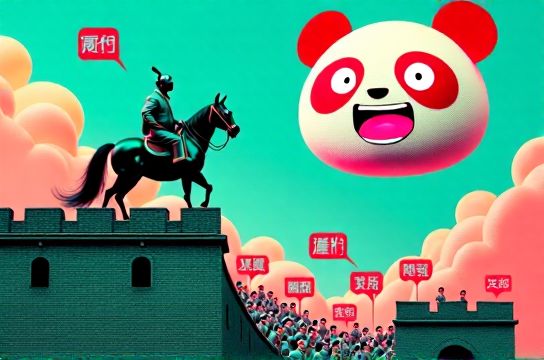
The Rise of China’s Internet Jesters
With over 1 billion internet users, China’s digital landscape is fertile ground for viral content. But unlike Western memes that often go random or surreal, Chinese memes carry deeper layers—coded language, historical references, and satire so subtle it flies under the radar.
Take the iconic Grass Mud Horse, one of the earliest politically tinged memes. Pronounced like a profanity in Mandarin, it became a symbol of resistance during online censorship crackdowns. It wasn’t just a joke—it was a linguistic middle finger disguised as a cute alpaca.
Why Memes Matter in China
In a tightly controlled media environment, memes act as pressure valves. They allow people to vent frustration about work culture, housing prices, or the 996 work schedule (9 AM–9 PM, 6 days a week) without directly challenging authority.
Consider the term Neijuan (involution)—a buzzword turned meme describing cutthroat competition with no real gain. Paired with images of exhausted office workers or students buried in books, it captures the anxiety of a generation feeling trapped by expectations.
Data Snapshot: Meme Popularity Across Platforms
Here’s a look at how meme formats perform across major Chinese platforms:
| Meme Type | Primary Platform | Engagement Rate | Top Use Case |
|---|---|---|---|
| Rage Comics (Baozou Tu) | 8.7% | Satire on daily struggles | |
| Dogelike Emotions (Go Believe) | WeChat Moments | 12.3% | Ironic self-deprecation |
| Historical Figure Memes | Bilibili | 15.6% | Educational parody |
| AI-Generated Parody Videos | Douyin | 22.1% | Political humor (veiled) |
The Language of Laughter
Chinese memes thrive on wordplay. Homophones, puns, and internet slang turn simple phrases into inside jokes. For example:
- Wo Ta Ma → Sounds like “Oh my god,” but literally means “my horse” (censored version of a curse).
- Xiao Ping Qiang (Little Pink) → A nickname for ultra-nationalist youth, often mocked in memes for blind patriotism.
These aren’t just funny—they’re linguistic survival tools in a space where free speech has limits.
From Viral to Mainstream
Some memes even jump from niche forums to national TV. The phrase “I’m not that kind of girl” started as a sarcastic reply in comment sections and later appeared in commercials. Similarly, emoticons like the wu nai (helpless face) are now embedded in everyday digital communication.
Brands have caught on too. Companies like Li-Ning and Pechoin use meme aesthetics in ads to connect with younger audiences who value authenticity over polish.
The Future of Chinese Memes
As AI and deepfake tech spread, expect more surreal, hyper-localized memes. But with tighter content controls, creators will keep innovating—using ancient poetry, cartoon pandas, or even math equations to mock modern life.
In China, a meme isn’t just a laugh. It’s a whisper, a wink, and sometimes, the only way to speak truth in a filtered world.