
Why Meme Culture China Is More Than Just Jokes
- Date:
- Views:263
- Source:The Silk Road Echo
If you've spent any time online in China, you've probably seen that weird frog with a red scarf or a panda typing furiously on a keyboard. No, it's not a cartoon marathon — it's meme culture China in full swing. But here’s the twist: these aren’t just silly pictures made for laughs. In China, memes are a language of resistance, identity, and digital creativity wrapped in absurdity.
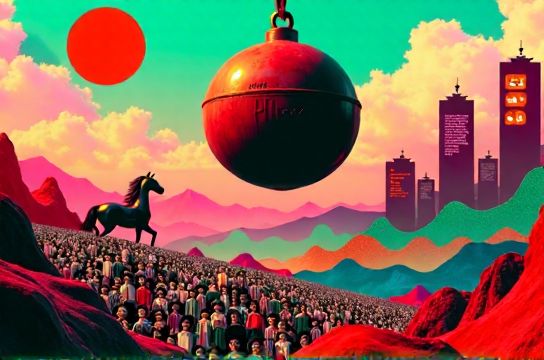
The Hidden Power of Chinese Memes
Unlike Western meme culture, which often spreads through platforms like Reddit or Twitter, Chinese memes thrive on WeChat, Weibo, and Douyin (the local version of TikTok). Due to strict content regulations, netizens have turned to satire and surreal imagery to express opinions they can't say outright. A cat yawning? Might be commentary on workplace burnout. A chubby baby riding a rocket? Possibly poking fun at get-rich-quick schemes.
According to a 2023 report by QuestMobile, over 68% of Chinese internet users aged 18–35 engage with meme-based content weekly. That’s more than just entertainment — it’s a cultural pulse.
From Grass Mud Horse to Doge: The Evolution
Remember "Grass Mud Horse" (草泥马)? This infamous pun on a vulgar phrase became a symbol of online defiance during the late 2000s. It wasn’t about the animal; it was about pushing boundaries. Fast forward to today, Doge-inspired memes, anime-style stickers, and AI-generated parodies dominate chats and comment sections.
What makes Chinese meme culture unique is its blend of linguistic play, visual symbolism, and platform-specific behavior. Emojis don’t cut it — people use entire mini-comics to react in group chats.
Memes as Social Commentary
Take the rise of "Tang Ping" (躺平), or "lying flat." What started as a meme of a person napping under a tree exploded into a nationwide conversation about work-life balance and youth disillusionment. Similarly, "Neijuan" (内卷), meaning "involution," uses chaotic, tangled visuals to represent societal overcompetition.
These aren’t just jokes — they’re social movements disguised as internet humor.
| Meme Term | Literal Meaning | Social Message | Popularity Index (2023) |
|---|---|---|---|
| Tang Ping (躺平) | Lying Flat | Rejecting hustle culture | 8.7/10 |
| Neijuan (内卷) | Involution | Critique of overwork | 9.1/10 |
| Grass Mud Horse | Phonetic joke | Censorship resistance | 7.5/10 |
| Diaosi (屌丝) | Deadbeats | Youth identity crisis | 6.8/10 |
Why Brands Are Jumping In
Smart marketers have noticed: if you want to reach young Chinese consumers, speak in memes. Companies like Li-Ning and Pinduoduo use meme aesthetics in ads, blending irony with patriotism or nostalgia. Even government campaigns have adopted meme-like visuals to promote public health or environmental awareness — yes, even propaganda gets a glow-up.
The Future of Meme Culture China
As AI tools make image generation easier, we’re seeing a surge in personalized, real-time memes. Expect more crossover between gaming, livestreaming, and meme-sharing. The line between humor and protest, entertainment and identity, will keep blurring.
So next time you see a bizarre image of a dumpling with sunglasses, don’t scroll past too fast. It might just be telling you something deep about modern China — one laugh at a time.