
Explaining Chinese Buzzwords from Comedy Perspectives
- Date:
- Views:320
- Source:The Silk Road Echo
If you've ever scrolled through Chinese social media and felt like everyone was speaking a secret code, don’t worry—you're not alone. From neijuan (involution) to tangping (lying flat), China’s internet slang is equal parts hilarious, chaotic, and deeply revealing. But what if we told you these buzzwords aren't just memes—they're social commentary wrapped in comedy? Let’s dive into the funniest—and most insightful—Chinese buzzwords with a stand-up twist.
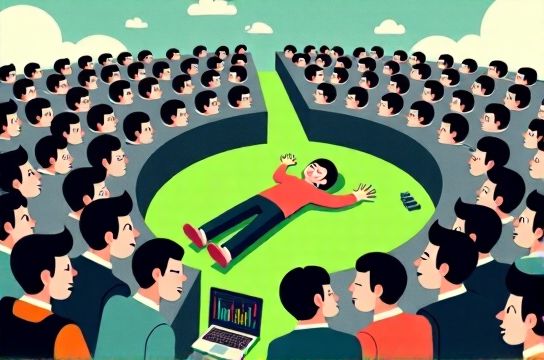
Why Are Chinese Netizens So Sarcastic?
In a world where work-life balance feels like a myth, Chinese youth use humor as armor. Instead of protesting, they roast reality with punchlines. Words like 996 (working 9 AM to 9 PM, 6 days a week) or inso (insomnia) aren’t just jokes—they’re survival tactics. Think of it as therapy via meme.
The Comedy Goldmine: Top 5 Buzzwords Decoded
Here’s a breakdown of the most viral terms, served with a side of satire:
| Buzzword | Literal Meaning | Comedy Twist | Real-World Context |
|---|---|---|---|
| 内卷 (Neijuan) | Involution | “Working harder to stay in place—like a hamster on a broken wheel.” | Used by students & workers overwhelmed by competition. |
| 躺平 (Tangping) | Lying Flat | “I’m not lazy—I’m strategically underachieving.” | A passive resistance to burnout culture. |
| 打工人 (Dagongren) | Working Stiff | “We’re not employees—we’re tragic heroes in a corporate drama.” | Self-deprecating term for office workers. |
| 社死 (She si) | Social Death | “When you trip in public and your soul leaves your body.” | Fear of embarrassment in collectivist society. |
| 凡尔赛 (Fàn'ěrsài) | Versailles | “Humblebragging so hard it needs its own opera.” | Pretending to complain while showing off wealth. |
From Meme to Movement: The Power of Satirical Language
These terms didn’t go viral by accident. They reflect real societal stress—but delivered with a wink. For example, dagongren turns the dignity of labor into a dark comedy sketch. It’s like saying, “Yes, I’m exploited, but at least I can laugh about it before my 3 AM WeChat meeting.”
And let’s talk about fan’ersai—the art of the humble brag. Imagine someone posting, *‘Ugh, another boring weekend in Paris…’* followed by a Lamborghini selfie. It’s cringe, it’s genius, it’s peak internet satire.
Why This Matters Beyond the Laughs
Behind every joke is a cry for change. When millions say “I’m lying flat,” they’re not just quitting—they’re questioning a system that demands endless hustle. The humor makes the message palatable, even shareable. It’s protest disguised as parody.
In fact, a 2023 survey by Peking University found that over 68% of urban millennials identify with tangping philosophy—not because they hate work, but because they crave balance.
Final Thoughts: Laugh Now, Reflect Later
Chinese internet slang isn’t just funny—it’s fearless. It uses comedy to confront pressure, inequality, and absurdity. So next time you see “neijuan” or “she si,” don’t just laugh. Think: What’s the joke really about?
After all, the best punchlines often hide the deepest truths.