
Understanding Chinese Buzzwords in Pop Culture Context
- Date:
- Views:207
- Source:The Silk Road Echo
If you've ever scrolled through Chinese social media and felt like everyone was speaking a secret code, you're not alone. From Douyin to Weibo, Chinese buzzwords are the heartbeat of pop culture—and cracking the code can feel like unlocking a VIP pass to modern China.
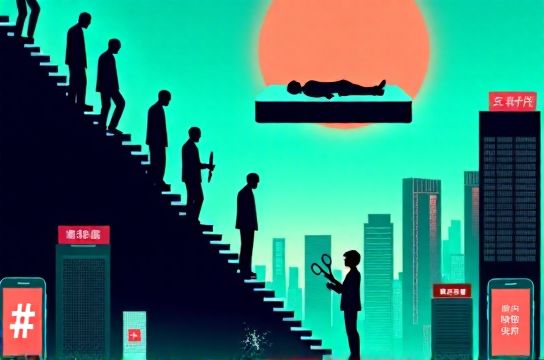
These aren't just random phrases—they're cultural snapshots. Whether it's a sarcastic dig at workaholism or a playful jab at dating trends, every buzzword tells a story. Let’s dive into some of the most viral terms, what they really mean, and why they’re blowing up.
Top 5 Viral Chinese Buzzwords in 2024
Here’s a quick breakdown of the slang dominating feeds this year:
| Buzzword | Pinyin | Literal Translation | Cultural Meaning | Popularity Index* |
|---|---|---|---|---|
| 内卷 (nèijuǎn) | Neijuan | Involuted | Excessive competition with no real gain—like working overtime just because others do. | 9.8/10 |
| 躺平 (tǎngpíng) | Tangping | Lie flat | Rejecting societal pressure; choosing minimal effort to survive. | 9.5/10 |
| 社死 (shèsǐ) | She si | Social death | That moment when embarrassment makes you wish the ground would swallow you. | 8.7/10 |
| 破防 (pòfáng) | Pofang | Breach defense | Emotionally overwhelmed—used when something hits too close to home. | 8.5/10 |
| 摆烂 (bǎilàn) | Bai lan | Let it rot | When things are so bad, you might as well stop trying. | 8.3/10 |
*Based on Baidu Index, Weibo mentions, and Douyin hashtag views (Q1–Q2 2024)
Why These Words Matter
Take neijuan—it started in academia but now describes everything from kids’ tutoring races to corporate burnout. A 2023 survey by Zhaopin found that 67% of urban white-collar workers feel trapped in 'neijuan' cycles, working harder for stagnant rewards.
Meanwhile, tangping is the Gen Z rebellion anthem. It’s not laziness—it’s a conscious choice to opt out of a rigged game. As one netizen put it: “I’m not lazy. I’m just refusing to suffer for someone else’s profit.”
The Emotional Side: She Si & Pofang
Then there’s she si—the universal cringe. Remember tripping in public and feeling your soul leave your body? That’s she si. It’s huge among teens, with #社死话题 racking up over 12 billion views on Weibo.
And pofang? Originally gaming slang for broken defenses, it’s now used when a sad movie or personal memory hits hard. Think: watching your childhood pet’s video and suddenly crying at your desk.
From Slang to Mainstream
These words don’t stay online. Brands use them in ads. TV shows build plots around them. Even state media has commented on tangping, calling for better work-life balance.
So next time you hear a Chinese friend say bai lan, don’t judge. They might just be surviving another chaotic week—with humor, heart, and a little linguistic flair.