
Meme Culture China and Its Influence on Gen Z
- Date:
- Views:230
- Source:The Silk Road Echo
In the digital age, few things spread faster than a well-timed meme. In China, meme culture has evolved into a unique blend of humor, social commentary, and youth rebellion — especially among Gen Z. From diaosi ("underdog") jokes to sarcastic emojis and viral TikTok skits, Chinese internet memes aren’t just funny; they’re a cultural phenomenon shaping identity, language, and even politics.
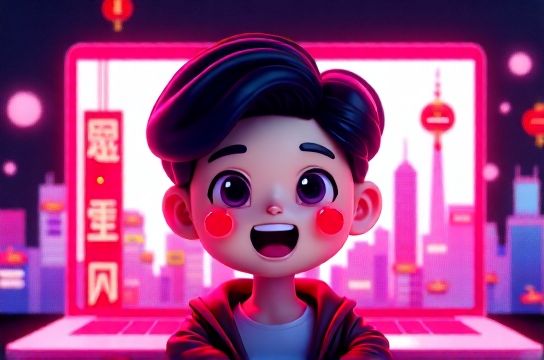
Unlike Western meme formats that thrive on absurdism, Chinese memes often carry layers of coded meaning. Due to strict online censorship, netizens use irony, homophones, and visual puns to express dissent or critique society — all under the radar. For example, the phrase “grass mud horse” (草泥马), which sounds like a vulgar insult, became a symbol of resistance through meme animals and cartoons.
Platforms like Weibo, Bilibili, and Douyin are meme incubators. A 2023 report by QuestMobile shows that users aged 15–30 spend over 2.5 hours daily on short-video apps, where memes go viral in minutes. Bilibili alone hosts over 200 million monthly active users, with 80% under 24 — making it the epicenter of Gen Z meme creation.
Let’s break down how meme culture in China reflects the mindset of its youngest generation.
The Psychology Behind the Laughter
For Chinese Gen Z, memes are more than entertainment — they’re coping mechanisms. Facing intense academic pressure, job market anxiety, and the "involution" (内卷) crisis, young people turn to humor as emotional release. Memes about "lying flat" (躺平) or "letting it rot" (摆烂) aren’t laziness; they’re quiet protests against societal expectations.
A 2022 Pew Research study found that 68% of urban Chinese youth feel overwhelmed by future uncertainty. Meme culture offers a sense of community, where shared struggles become inside jokes.
Memes as Language Evolution
New slang emerges from memes daily. Words like xuehui le (I’ve learned my lesson — sarcastic), or baodi (fake richness) originated in meme threads and are now part of everyday speech.
Here’s a look at some popular meme-born terms:
| Meme Term | Literal Meaning | Cultural Context |
|---|---|---|
| 躺平 (Tǎngpíng) | Lying Flat | Rejecting hustle culture; opting out of competition |
| 内卷 (Nèijuǎn) | Involution | Self-defeating overwork in education/jobs |
| 打工人 (Dǎgōng rén) | Wage Slave | Sarcastic self-label for office workers |
| 破防了 (Pòfáng le) | My defenses are broken | Emotionally overwhelmed, often ironically |
The Business of Memes
Brands have caught on. Companies like Li-Ning and HeyTea leverage meme aesthetics in ads, using exaggerated facial expressions and Gen Z slang to appear relatable. Even state media uses memes — Xinhua once tweeted a cartoon panda sipping tea with the caption “calm and collected,” referencing a popular meme during a political event.
This blending of pop culture and propaganda shows how powerful memes have become. They’re no longer niche — they’re mainstream communication.
Global Impact
Chinese memes are crossing borders. On Reddit and Twitter, clips of Bilibili comment floods (弹幕) or absurd Douyin challenges gain traction. The global fascination with "Chillwave" or "Gen Z Mandarin" stems from this digital creativity.
Yet, translation is tricky. Without context, many memes lose their edge. That’s why understanding the culture behind them matters.
In short, meme culture in China is a mirror — reflecting frustration, wit, and resilience. For Gen Z, it’s not just about laughing online; it’s about surviving the modern world with style and sarcasm.