
When Office Workers Become Meme Heroes Online
- Date:
- Views:209
- Source:The Silk Road Echo
Let’s be real — we’ve all been there. Staring at a spreadsheet at 3:47 PM, questioning our life choices, when suddenly, an email pops up: ‘Please review and revert.’ Cue the internal scream. But what if your daily office struggle wasn’t just relatable — it went viral? Welcome to the age where cubicle chaos turns regular employees into meme legends.
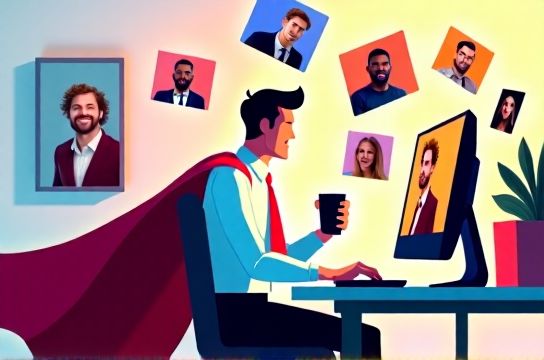
The Rise of the Corporate Meme Culture
From Slack rants turned into Instagram reels to passive-aggressive Outlook replies immortalized as GIFs, office workers are now the unexpected stars of internet humor. According to a 2023 Pew Research study, 68% of remote and hybrid workers say they share or create work-related memes at least once a week. Why? Because laughter is the only sane response to endless Zoom calls and ‘quick sync-ups’ that last two hours.
This isn’t just about jokes — it’s digital catharsis. Memes act as emotional pressure valves, turning frustration into connection. And brands? They’re noticing. Companies like Slack and Notion have even officially embraced meme-style marketing to appear more human.
Why Office Memes Hit So Hard
It’s simple: authenticity. A 2022 HubSpot survey found that 79% of employees feel more engaged with workplace content that includes humor. When someone posts a meme captioned ‘Me pretending I read the 12-page agenda’, it’s not laziness — it’s solidarity.
Take the now-iconic ‘Distracted Boyfriend’ meme, repurposed endlessly to show:
- Employee vs. Actual Work vs. Urgent-but-Unimportant Email
- Me vs. My Productivity vs. My Inner Desire to Nap
- HR’s Vision vs. Reality of Open-Plan Offices
Top Office Meme Archetypes (And What They Reveal)
Beneath the laughs lies a cultural mirror. Here’s a breakdown of the most viral office meme personas:
| Meme Type | h>Relatability Score* | h>Common Caption |
|---|---|---|
| The Overloaded Calendar | 9.2/10 | “37 meetings today, zero outcomes” |
| Email from HR: ‘We’re Like Family’ | 8.8/10 | “Then why won’t you give me more PTO?” |
| Zoom Face vs. Sweatpants Reality | 9.5/10 | “Camera on: professional. Camera off: horizontal.” |
| ‘Revert Back’ Grammar Rage | 7.6/10 | “Revert back? That’s not how words work.” |
*Based on engagement metrics from Reddit, LinkedIn, and Twitter (Jan–Dec 2023)
From Meme to Movement: Real Impact?
Sure, memes make us laugh — but can they spark change? In some cases, yes. The viral ‘Quiet Quitting’ trend, born from TikTok skits and ironic infographics, ignited global conversation about burnout and work-life balance. Google searches for ‘quiet quitting’ spiked by 450% in August 2022 (via Google Trends), pushing HR departments to reevaluate performance expectations.
Meanwhile, anonymous platforms like Blind and Fishbowl thrive because employees crave spaces to vent — safely. One tech worker shared: “Posting a meme about my boss’s PowerPoint font choice felt safer than saying it out loud.”
How to Ride the Wave (Without Getting Fired)
Want to meme responsibly? Follow these unwritten rules:
- Roast the system, not individuals — mock the process, not people.
- Keep it vague — no names, no screenshots with identifiable data.
- Know your audience — LinkedIn loves dry corporate satire; TikTok wants drama and dance.
Some brave souls have even turned their meme game into side hustles. @CorporateSarcasm (Instagram) now has 850K followers and sells merch like ‘I Survived Another Meeting That Should’ve Been an Email’ mugs.
Final Thoughts: Laugh Now, Change Later
The rise of the office meme hero isn’t just comedy — it’s quiet resistance. Every shared image of a zombie-eyed worker staring at a glowing screen says, ‘I see you. I feel you.’ And sometimes, that’s enough to get through the day.
So next time your inbox pings with another ‘FYI’ email that’s actually urgent, don’t rage-quit. Meme it. Share it. Maybe, just maybe, you’ll become the accidental voice of a generation stuck in hybrid hell.