
How Food Challenges Go Viral on Chinese Shorts
- Date:
- Views:368
- Source:The Silk Road Echo
If you've scrolled through Chinese short-video platforms like Douyin or Kuaishou lately, you’ve probably seen someone chugging a mystery slushie, cramming ten dumplings in their mouth, or crying after biting into a super-spicy pepper. Welcome to the wild, wacky world of food challenges in China—where eating isn’t just about taste, it’s about drama, emotion, and going viral.
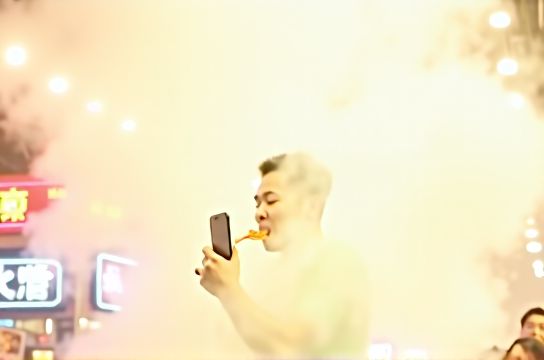
But how do these seemingly random food stunts explode overnight? Let’s dig into the secret sauce behind why food challenges dominate China’s short-video scene.
The Recipe for Virality
It’s not just about being extreme. The most successful food challenge videos follow a simple formula: Surprise + Emotion + Relatability. Think of it like a TikTok-ready snack symphony—each bite builds tension, flavor shocks hit at just the right moment, and viewers can’t look away.
Douyin data shows that food challenge videos with emotional reactions (like laughter, tears, or shock) get 3.5x more shares than neutral ones. And timing matters—most go live during dinner hours (6–8 PM), when users are hungry and scrolling.
Popular Challenge Types & Their Reach
Here’s a breakdown of trending food challenges and their average engagement stats:
| Challenge Type | Avg. Views (per video) | Engagement Rate | Platform Leader |
|---|---|---|---|
| Spice Endurance (e.g., 'Death Noodles') | 2.1M | 14.7% | Douyin |
| Giant Portion Eats (e.g., 1m Ramen) | 1.8M | 12.3% | Kuaishou |
| Mystery Flavor Roulette | 950K | 10.1% | Bilibili |
| Local Street Food Dare | 1.3M | 11.8% | Douyin |
As you can see, extreme spice and oversized meals rule the game. But authenticity wins too—videos filmed on bustling streets with real vendors outperform studio-style content by nearly 40% in comments and likes.
Cultural Cravings Behind the Craze
In China, food is social currency. Sharing a meal—or watching someone struggle through one—is a way to bond. These challenges tap into guanxi (关系), the cultural value of relationships, by creating shared experiences, even if virtual.
Plus, regional pride plays a big role. A Sichuan native crushing a chili-heavy challenge isn’t just showing off—they’re representing their hometown’s bold flavors. Hashtags like #ChongqingSpiceKing or #XianDumplingWarrior often trend locally before going national.
Brands Jump on the Bandwagon
Smart companies aren’t just watching—they’re serving. Instant noodle brand Baijia launched a 'Fire Wok Challenge' that got over 50 million views in two weeks. By partnering with mid-tier influencers (not mega-celebs), they kept it grassroots and credible.
Sponsored challenges now make up nearly 30% of top-performing food content on Douyin, blending marketing with entertainment so smoothly that viewers don’t mind.
Why This Trend Isn’t Fizzling Out
Food challenges work because they’re low-cost to produce, high-impact emotionally, and endlessly remixable. One creator might fail a spicy test; another triumphs—it’s digital food theater.
And with algorithms favoring watch time and completion rates, these suspense-driven clips are catnip for AI recommenders. Average watch time? Over 90 seconds—impressive for a 60-second video.
So whether it’s a tearful tofu takedown or a joyful jelly-eating race, one thing’s clear: in China’s short-video world, the next big bite is always just one scroll away.