
From Fanquan to Xuanshuai Understanding Fandom Wars
- Date:
- Views:268
- Source:The Silk Road Echo
Ever scrolled through Weibo and suddenly got hit with a tidal wave of fan rants, screenshots, and hashtags like #ProtectMyIdol or #NoToBlackPR? Welcome to the wild, wired world of Chinese fandom wars — where fanquan (fan circles) clash in epic battles that can make or break careers. But what exactly is going on behind all the drama? Let’s dive deep into the digital trenches of fanquan culture, unpack its mechanics, and explore how it evolved into today’s xuanshuai (public opinion manipulation) machine.
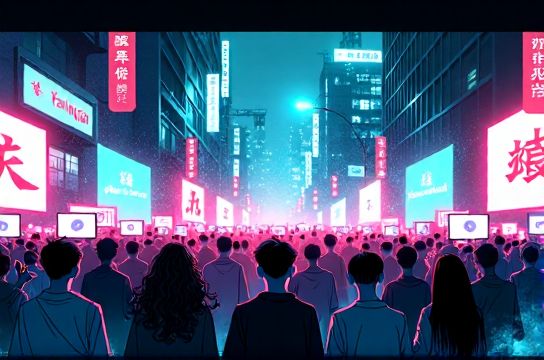
What Is Fanquan?
Think of fanquan as highly organized online fan armies. These aren’t just casual followers; they’re dedicated netizens who treat idol support like a full-time job. From boosting streaming numbers to launching coordinated attacks on critics, fanquans operate with military precision.
In 2023, Tencent reported that top-tier idols’ fan clubs could mobilize over 500,000 members within hours. That’s not fandom — that’s digital activism on steroids.
The Evolution: From Support to Xuanshuai
It started innocently enough: fans sharing photos, buying albums, voting in polls. But as social media platforms like Weibo and Xiaohongshu became battlegrounds for popularity, fan behavior escalated. The term xuanshuai emerged — referring to the strategic shaping of public opinion, often through aggressive tactics.
This includes mass reporting of negative posts, flooding comment sections, and even hiring water armies (shuijun) to manipulate trends. In extreme cases, fans have doxxed journalists or launched smear campaigns against rival idols.
Fandom War Tactics at a Glance
To understand how these conflicts unfold, here’s a breakdown of common strategies used by fanquans:
| Tactic | Purpose | Example |
|---|---|---|
| Mass Voting Campaigns | Boost rankings on music charts or award shows | Fans spent $2M+ collectively to rank idol #1 on YinYueTai in 2022 |
| Trend Flooding | Push positive hashtags to top of Weibo热搜 (Hot Search) | #LiXianIsInnocent trended for 6 hrs after scandal |
| Doxxing & Harassment | Silence critics or opposing fans | Private info of blogger leaked after negative review |
| Data Manipulation | Inflate views, likes, sales | Album sales inflated by bots — up to 40% fake |
Why Does This Matter?
Beyond the noise, there are real consequences. A 2023 Peking University study found that 68% of entertainment news coverage was influenced by fan-driven舆论操控行为 (public opinion manipulation). Worse, some young fans spend thousands monthly supporting idols — funds that could go toward education or savings.
And let’s be real: when fandom turns toxic, it alienates neutral audiences and damages the very stars they claim to protect.
The Road Ahead
Regulators are stepping in. In 2024, China’s Cyberspace Administration cracked down on “irrational fan behavior,” banning ranking systems and limiting celebrity content. Platforms now restrict hashtag promotions and delete bot accounts en masse.
Still, the passion remains. The key? Channeling fan energy into positive action — charity drives, creative content, respectful discourse. After all, true support shouldn’t require warfare.
So next time you see a fandom explosion online, remember: behind every trending hashtag is a complex ecosystem of loyalty, emotion, and power plays. Whether it's fanquan or xuanshuai, one thing’s clear — in China’s digital age, fandom isn’t just following. It’s fighting.