
Netizen Language Evolution in Chinese Cyberspace
- Date:
- Views:248
- Source:The Silk Road Echo
In the wild, fast-paced world of Chinese cyberspace, netizens don’t just speak — they evolve. From playful puns to political satire wrapped in emoji, internet slang in China has become a cultural force of its own. Forget textbook Mandarin; if you want to truly understand what’s buzzing online, you’ve got to dive into the chaotic, creative, and often hilarious universe of wangluo yuyan (网络语言) — or, as we call it: netizen lingo.
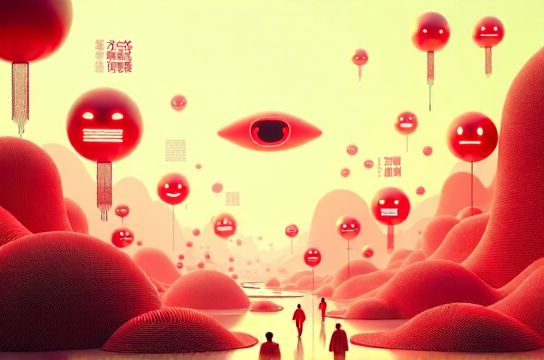
What makes Chinese internet language so unique? It’s not just about abbreviations or memes. It’s a linguistic rebellion shaped by censorship, humor, and digital identity. Let’s unpack how everyday users turn restrictions into creativity, and why this evolution matters beyond the meme zone.
The Birth of a Digital Dialect
Back in the early 2000s, “886” meant “bye-bye,” and “GG” was gamer-speak for “good game.” Fast forward to today, and you’ve got terms like neijuan (内卷), meaning “involution” — a sarcastic jab at cutthroat competition — and tangping (躺平), or “lying flat,” a passive resistance to societal pressure.
These aren’t just words. They’re social movements encoded in syllables. According to a 2023 report by iResearch, over 78% of Chinese netizens aged 18–35 regularly use internet slang in daily chats, with platforms like Weibo, Xiaohongshu, and Douyin leading the trend.
Why Censorship Fuels Creativity
You can’t say everything online in China — but clever netizens find ways. Homophones, misspellings, and even ancient poetry get repurposed. For example:
- “Grass Mud Horse” (草泥马) sounds like a certain vulgar phrase — and became a viral meme animal.
- “Soga” (缩嘎) mimics Japanese “sou ka” (I see), used to dodge sensitive topics with sarcasm.
- “ZZZQ” is shorthand for “zhen zheng zhi qing” (政治正确), or “political correctness” — often used mockingly.
This isn’t just wordplay. It’s linguistic camouflage. A 2022 study from Tsinghua University found that over 40% of trending slang terms on Weibo originated as censored-topic workarounds.
Slang That Shaped Society
Sometimes, internet language jumps off the screen. Take dazi (打工人), or “working man,” which went from ironic self-roast to mainstream media buzzword overnight. Or fan hun (翻身), meaning “to flip one’s fate,” now used by youth dreaming of escaping the 996 grind.
Here’s a snapshot of key terms and their real-world impact:
| Term | Literal Meaning | Cultural Significance | Popularity Index* |
|---|---|---|---|
| 内卷 (Neijuan) | Involution | Social burnout in education/work | 9.2/10 |
| 躺平 (Tangping) | Lying Flat | Anti-hustle movement | 8.7/10 |
| 打工人 (Daziren) | Working Man | Blue-collar identity pride | 8.5/10 |
| 破防 (Pofang) | Breach Defense | Emotional breakdown moment | 9.0/10 |
*Based on Baidu Index & Weibo Trends, 2023 average
The Future of Online Expression
As AI and deepfakes rise, so does linguistic innovation. Emoji-only debates, voice filters, and even number codes like “555” (crying sounds) are part of the new grammar. The line between language and performance is blurring.
But here’s the real takeaway: Chinese netizen language isn’t just slang. It’s a mirror reflecting anxiety, hope, and defiance. And as long as the internet stays alive, so will this ever-mutating dialect of the digital age.