
Explaining Chinese Buzzwords Behind Social Media Fame
- Date:
- Views:292
- Source:The Silk Road Echo
If you've scrolled through Chinese social media lately, you’ve probably seen phrases like 内卷 (nèijuǎn), 躺平 (tǎngpíng), or 社死 (shèsǐ) popping up everywhere. These aren’t just random slang—they’re cultural snapshots of a generation navigating pressure, identity, and digital fame. Let’s decode the buzzwords fueling China’s online universe.
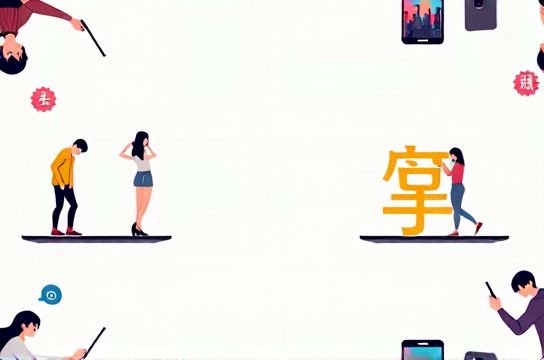
Why Do These Words Matter?
In a hyper-connected society where over 1.05 billion people use the internet (CNNIC, 2023), language evolves fast. Young netizens craft clever, ironic terms to express frustration, humor, and rebellion—often in ways that dodge censorship while resonating widely.
The Top 5 Buzzwords You Need to Know
| Buzzword | Literal Meaning | Cultural Context | Usage Example |
|---|---|---|---|
| 内卷 (nèijuǎn) | Involution | Endless competition with no real progress—like working overtime just because others do. | "We’re all stuck in 內卷 culture—burnout is normal now.\" |
| 躺平 (tǎngpíng) | Lying flat | Rejecting societal pressure to overachieve; opting for minimal effort. | "After three job rejections, I decided to 躺平 and live off instant noodles.\" |
| 社死 (shèsǐ) | Social death | Extreme embarrassment, like tripping in public or sending a DM to your boss by mistake. | "I called my teacher ‘mom’ in class—total 社死 moment!\" |
| 破防 (pòfáng) | Breach defense | Emotionally overwhelmed—used when something hits too close to home. | "That puppy adoption ad really 破防了 me.\" |
| YYDS | Forever God | Short for 永远的神—praising someone/something as legendary. | "Li Bingbing in that red dress? YYDS!\" |
From Slang to Mainstream
These words don’t just stay online. They leak into ads, TV shows, and even government responses. When “lying flat” went viral in 2021, state media criticized it as “defeatist,” but also acknowledged youth disillusionment. That tension—between individual expression and social expectations—is exactly why these terms go viral.
How Influencers Use Buzzwords
KOLs (Key Opinion Leaders) on platforms like Xiaohongshu and Douyin sprinkle these phrases to seem relatable. A beauty vlogger might say, “This foundation won’t make you 内卷—it’s easy and natural!” It’s not just marketing; it’s linguistic code-switching to build trust.
The Dark Side of Viral Language
While fun, some terms get weaponized. Calling someone “low quality” (低质) under the guise of humor can fuel cyberbullying. And once a word becomes mainstream, its original rebellious edge often fades—躺平 is now used to sell mattresses.
Final Thoughts
Chinese internet slang isn’t just playful wordplay—it’s a mirror reflecting anxiety, creativity, and resistance. Whether you’re a marketer, traveler, or curious observer, understanding these terms unlocks deeper insight into modern Chinese youth culture. So next time you see “YYDS” or “社死,” you’ll know there’s more behind the meme.