
Tea Culture China Uncovering the Rituals Behind Everyday Life
- Date:
- Views:236
- Source:The Silk Road Echo
When you think of China, what comes to mind? Bustling cities like Shanghai, ancient wonders like the Great Wall — or maybe a quiet moment with a steaming cup of tea? In China, tea isn’t just a drink. It’s a rhythm of life, a bridge between past and present, and a silent language spoken through porcelain cups and rising steam.
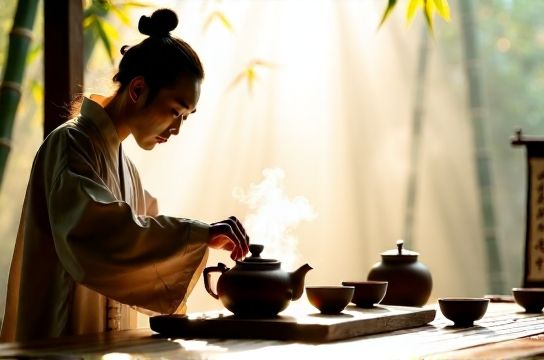
From morning gongfu cha ceremonies in Guangdong to roadside vendors handing out free chahai (tea baths) in Sichuan, tea culture in China is alive, diverse, and deeply personal. Let’s take a journey beyond the teapot and uncover the rituals that shape everyday life across this vast country.
The Heartbeat of Tradition: More Than Just a Beverage
In China, tea drinking dates back over 5,000 years. Legend has it that Emperor Shen Nong discovered tea when leaves from a wild tree blew into his boiling water. Today, that serendipitous moment echoes in homes, teahouses, and even office break rooms.
But here’s the twist: in China, tea isn’t about caffeine fixes. It’s about connection. Pouring tea for someone is an act of respect. Receiving a cup? A moment to pause, reflect, and honor the giver.
Gongfu Cha: Where Precision Meets Poetry
If you’ve ever seen someone brew tea with tiny pots, multiple rinses, and lightning-fast pours — that’s gongfu cha, literally meaning “making tea with skill.” This ritual, popular in Fujian and Chaozhou, treats tea brewing like a meditative art form.
Using oolong teas like Tieguanyin or Shui Xian, practitioners heat Yixing clay pots, warm cups, and perform short, successive steeps — each infusion revealing new layers of flavor. One session can yield up to 10 brews from the same leaves!
Tea by the Numbers: A Snapshot of China’s Tea Landscape
Let’s pour some data into the conversation:
| Tea Type | Production (2023, in tons) | Top Producing Province | Popular Brewing Method |
|---|---|---|---|
| Green Tea | 928,000 | Zhejiang | Simple steep, 70–80°C |
| Oolong Tea | 115,000 | Fujian | Gongfu Cha |
| Black Tea (Called Red Tea in China) | 42,000 | Yunnan | Gaiwan or Pot |
| Pu-erh Tea | 18,000 | Yunnan | Aged & Brewed Strong |
Sourced from China National Tea Association, 2023.
Everyday Rituals, Every Region
Travel inland, and tea transforms again. In Sichuan, cha guan (tea houses) are social hubs where locals play mahjong, argue politics, or nap under bamboo fans. The tea? Often jasmine-scented green tea served in lidded bowls — a style called gaiwan.
Head north to Beijing, and you’ll find people sipping Tieguanyin at lunch, believing it aids digestion. In Yunnan, families gather around smoky pu-erh, aged for decades like fine wine.
Modern Twists on Ancient Leaves
Yes, tradition runs deep — but innovation bubbles too. Young Chinese now blend matcha lattes with boba, yet many still return home to brew tea with their grandparents. It’s not nostalgia; it’s identity.
Cities like Hangzhou and Chengdu host tea festivals where DJs spin beside incense burners, and influencers teach gongfu cha on TikTok. Tea isn’t fading — it’s evolving.
How to Experience Real Chinese Tea Culture
- Visit a local teahouse — Skip the chains. Find a place where old men play chess and the owner knows your preferred brew.
- Try gongfu cha at home — Start with a gaiwan, some oolong, and patience. It’s not about perfection — it’s presence.
- Ask before pouring — In China, serving others before yourself shows humility. And tapping the table twice after someone pours for you? That’s a silent “thank you.”
Tea in China isn’t just about taste. It’s time slowed down, relationships steeped in respect, and history poured into every cup. So next time you lift a cup, don’t just sip — listen. The leaves have stories to tell.