
Emoji with Attitude: The Hidden Meanings Behind China’s Favorite Sticker Packs
- Date:
- Views:290
- Source:The Silk Road Echo
You’ve seen them. You’ve used them. That sly-eyed fox winking while holding a teacup, the grumpy cat flipping noodles like a pro, or that overly dramatic crying eggplant—yep, we’re talking about Chinese sticker packs. Forget basic smileys—on apps like WeChat and QQ, emoji in China don’t just express feelings, they *roast*, they *shade*, and sometimes, they tell entire relationship sagas in one tap.
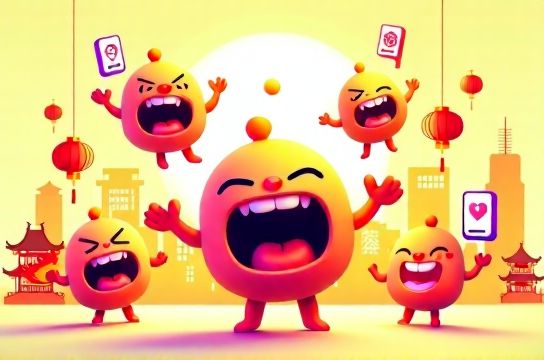
But here’s the twist: these cute little images? They’re loaded. Behind every exaggerated face and meme-worthy animal is a cultural cheat code. In China, sending the right sticker isn’t just fun—it’s social survival.
Take the infamous 'Baozi' (dumpling) with side-eye. On the surface, it’s cheeky. But send it to your boss after a meeting? Congrats, you’ve just passive-aggressively questioned their decision without saying a word. These stickers thrive on nuance, irony, and a heavy dose of emotional subtext.
Why so dramatic? Blame the language. Mandarin thrives on tone and implication. A single phrase can mean five different things depending on context. So when texting gets too risky (who wants to accidentally offend Grandma with bad phrasing?), people reach for stickers. They’re the perfect middle ground—playful enough to keep things light, expressive enough to carry real meaning.
And let’s talk origin stories. Some of the most popular packs come from web comics, viral animations, or even real-life internet celebrities. Meet "Tucao Bai", the sarcastic white rabbit known for deadpan reactions. Or "Little Chubby", a rosy-cheeked toddler whose tantrums mirror your inner chaos during Monday mornings. These characters aren’t random—they reflect everyday struggles, humor, and the unspoken rules of Chinese social dynamics.
Brands noticed. Fast fashion labels, tech startups, even government campaigns now launch custom sticker sets. Why? Because if your brand has a sticker that people actually use in arguments, breakups, or late-night confessions, you’ve made it into the fabric of daily life.
But beware: not all stickers translate. What reads as funny in Shanghai might confuse someone in Beijing—or worse, cause offense. Regional slang, local memes, and generational gaps shape how these digital expressions evolve. That’s why new packs drop constantly, keeping up with internet trends faster than TikTok dances.
So next time you see a panda yawning with the caption 'I’m not lazy, I’m energy-efficient,' know this: it’s not just a joke. It’s commentary. It’s identity. It’s emoji with *attitude*.
In a world where everyone’s trying to say more with less, China’s sticker culture proves that sometimes, the best reply isn’t words—it’s a perfectly timed raccoon giving zero f*cks.