
Decoding Online Buzzwords China From Memes to Mainstream
- Date:
- Views:201
- Source:The Silk Road Echo
If you've ever scrolled through Chinese social media and felt like everyone was speaking a secret code, you're not alone. Welcome to the wild, fast-evolving world of Chinese internet buzzwords—where slang, satire, and society collide in just a few clever characters.
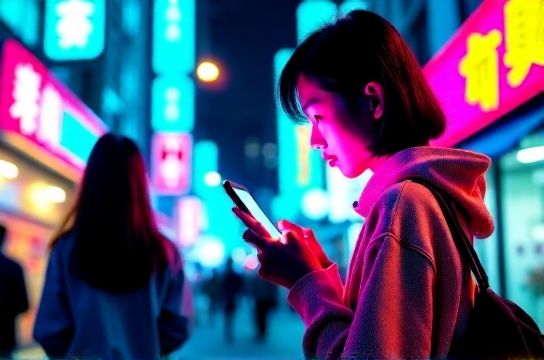
From sarcastic memes to full-blown cultural movements, these digital expressions aren't just jokes—they're social commentary, identity markers, and sometimes even political resistance wrapped in humor. Let’s dive into how online slang in China goes from niche meme to national phenomenon.
The Life Cycle of a Chinese Internet Slang
Unlike Western trends that might linger for months, Chinese net slang evolves at lightning speed. A term can explode overnight on platforms like Douyin, Weibo, or Bilibili, then fade within weeks—replaced by the next viral phrase.
Take “内卷” (nèijuǎn), meaning 'involution'—a once-academic term now used to describe cutthroat workplace competition. Or “躺平” (tǎngpíng), literally 'lying flat,' symbolizing youth burnout and rejection of societal pressure. These words didn’t just trend—they sparked nationwide debates.
Top 5 Viral Chinese Internet Terms in 2024
| Buzzword | Literal Meaning | Cultural Significance | Platform Origin |
|---|---|---|---|
| 摆烂 (bǎi làn) | "Letting it rot" | Embracing failure; refusing to try due to systemic frustration | |
| 社死 (shè sǐ) | "Social death" | Extreme embarrassment in public or online | Bilibili |
| 破防 (pò fáng) | "Defense broken" | Emotionally overwhelmed, often moved or triggered | Gaming communities → WeChat |
| 小镇做题家 (xiǎozhèn zuòtífá) | "Small-town test-taker" | Critique of education-driven success myths | Zhihu |
| 电子榨菜 (diànzǐ zhàcài) | "Digital pickles" | Comfort content consumed while eating alone | Douyin |
These terms do more than entertain—they reflect real anxieties about work, identity, and inequality in modern China.
Why Do These Words Spread So Fast?
Blame (or thank) China’s hyper-connected digital ecosystem. With over 1.05 billion internet users, local platforms act as cultural accelerators. Algorithms reward engagement, so emotionally charged slang spreads like wildfire.
Also, censorship plays an ironic role. When direct criticism is risky, users get creative. Saying you’re “emo了” (feeling emotional) instead of depressed, or calling a toxic boss “PUA大师” (manipulation expert), lets people vent safely.
From Meme to Mainstream: The Commercial Takeover
Once a term hits the mainstream, brands jump in. “Lying flat” inspired mattress ads. “Digital pickles” became a marketing slogan for snack boxes paired with binge-worthy shows. Even state media uses buzzwords to stay relatable—though often with a sanitized twist.
This co-opting can dilute original meanings, turning rebellion into retail. But it also proves one thing: internet slang in China isn’t fringe—it’s front-page news.
Final Thoughts: More Than Just Slang
Chinese internet buzzwords are the pulse of a generation navigating rapid change. They’re witty, weary, and deeply human. Whether mocking hustle culture or mourning lost dreams, these phrases give voice to what official narratives often ignore.
So next time you see “破防了” in a comment, know it’s not just a joke—it’s a quiet cry, a shared sigh, and maybe, just maybe, the start of something bigger.