
Immerse Yourself in Tea Culture China Every Day
- Date:
- Views:175
- Source:The Silk Road Echo
Tea isn't just a drink in China—it's a way of life. From misty mountain plantations to bustling city teahouses, tea culture in China is deeply rooted in history, philosophy, and daily ritual. Whether you're sipping delicate Longjing in Hangzhou or strong Pu'er in Yunnan, every cup tells a story. Let’s dive into how you can embrace authentic Chinese tea culture—every single day.
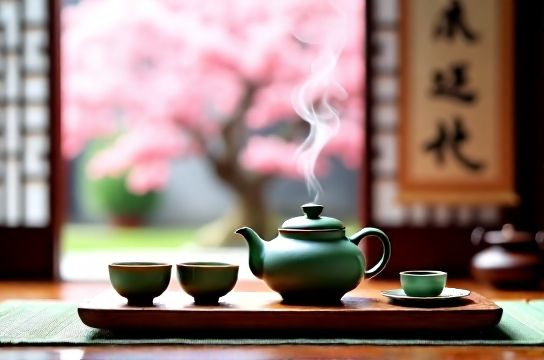
The Heart of Chinese Tea: More Than Just Flavor
China produces over 3 million tons of tea annually, leading the world in both consumption and export. But it’s not about quantity—it’s about quality, tradition, and mindfulness. The Chinese tea ceremony, or gongfu cha, emphasizes patience, respect, and sensory awareness. It’s not performance; it’s presence.
There are six main types of Chinese tea, each with unique processing methods and flavors:
| Tea Type | Oxidation Level | Flavor Profile | Famous Example |
|---|---|---|---|
| Green Tea | Unoxidized | Grassy, fresh, vegetal | Longjing (Dragon Well) |
| Yellow Tea | Slight oxidation | Mellow, sweet, smooth | Huoshan Huangya |
| White Tea | Minimal processing | Delicate, floral, light | Baihao Yinzhen |
| Oolong Tea | Partial oxidation (15%-70%) | Complex, fruity, roasted | Dahongpao, Tieguanyin |
| Black Tea (Red Tea in China) | Fully oxidized | Rich, malty, bold | Keemun, Lapsang Souchong |
| Dark Tea (Hei Cha) | Post-fermented | Earthy, woody, aged | Pu'er |
How to Bring Chinese Tea Culture Into Your Daily Routine
You don’t need to live in China to live like a tea lover. Start small: replace your morning coffee with a gongfu-style brewing session. Use a gaiwan (lidded bowl) or a small Yixing clay pot. Heat water to the right temperature—80°C for green tea, 95°C+ for oolong or Pu’er.
Pro tip: Brew multiple short steeps. A good oolong can give you 8–10 infusions, each revealing new layers of aroma and taste. That’s sustainability and soul in a cup.
Visit the Real Deal: Must-See Tea Destinations
If you ever travel to China, make time for these iconic tea regions:
- Hangzhou, Zhejiang – Home of Longjing tea. Walk through the West Lake’s emerald slopes and taste tea picked just hours before.
- Anxi, Fujian – Birthplace of Tieguanyin oolong. Join a farmer-led tasting and learn how rolling and roasting shape flavor.
- Xishuangbanna, Yunnan – Ancient Pu’er trees grow here, some over 1,000 years old. Try raw (sheng) and ripe (shou) Pu’er side by side.
Why This Matters: Tea as Mindfulness
In a world of instant gratification, Chinese tea culture teaches us to slow down. The act of warming the cups, smelling the leaves, and watching the steam rise—it’s meditation in motion. As the ancient saying goes: "Cha si wei jing" — 'Tea means tranquility.'
So go ahead. Steep yourself in tradition. One mindful sip at a time.