
The Rise of 'Kuanshi' Culture: Why Everyone on Chinese Social Media Is Acting Desperate
- Date:
- Views:322
- Source:The Silk Road Echo
You’ve probably seen it — someone dropping to their knees dramatically, hands clasped like they’re begging for mercy, captioned with something like ‘Begging you, just give me a chance!’ It’s not a scene from a soap opera. It’s ‘kuanshi’ culture, and it’s blowing up across Chinese social media platforms like Douyin, Xiaohongshu, and Weibo.
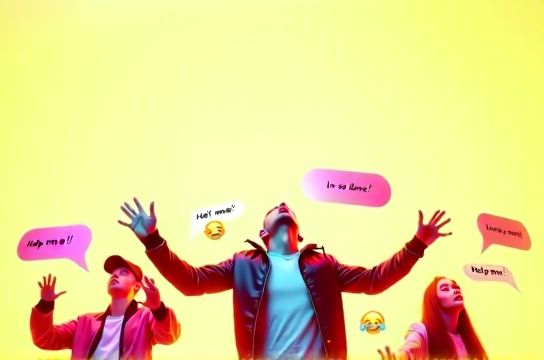
So what exactly is kuanshi? The term literally translates to ‘begging desperately’ or ‘pleading earnestly.’ But in internet slang, it’s more than that — it’s a playful, exaggerated way of expressing desire, frustration, or even humor. Think of it as the Chinese Gen Z’s version of throwing a digital tantrum. Want a limited-edition sneaker? Kuanshi. Hoping your crush says yes? Kuanshi. Just really craving bubble tea? Yeah, kuanshi works there too.
What makes kuanshi so viral is its mix of sincerity and satire. On the surface, people are acting overly dramatic — fake crying, crawling on the floor, writing emotional ‘last wills’ just to get a free sample. But underneath, it’s a clever form of self-aware humor. Everyone knows they’re not *actually* desperate. That’s the joke. It’s like saying, ‘I know this is ridiculous, but so is life, so let’s lean into it.’
This trend didn’t come out of nowhere. It taps into deeper cultural shifts. Young people in China face intense pressure — from academics to job markets to social expectations. Kuanshi offers a release valve. By turning real struggles into meme-worthy performances, users reclaim power through humor. It’s not just about begging; it’s about mocking the idea of having to beg in the first place.
Brands have noticed. Fast food chains, beauty labels, and tech companies now jump on kuanshi challenges, encouraging fans to ‘beg shamelessly’ for discounts or giveaways. These campaigns go viral fast because they feel authentic — even when they’re sponsored. The irony? The more absurd the request, the more engagement it gets.
Platforms also play a role. Algorithms love high-emotion content, and kuanshi delivers. Tears (real or fake), dramatic music, cliffhanger captions — it’s tailor-made for maximum shares and comments. One popular format is the ‘kuanshi ladder,’ where users escalate their desperation in stages, each level more theatrical than the last. From polite asking to full-on floor-crawling, it’s entertainment gold.
But kuanshi isn’t without critics. Some say it promotes unhealthy emotional expression or normalizes helplessness. Others argue it’s just another distraction, keeping youth focused on trends instead of systemic issues. Still, most see it as harmless fun — a way to laugh when the world feels heavy.
At its core, kuanshi culture reflects a generation navigating pressure with creativity and sarcasm. It’s not about weakness; it’s about surviving with style. And honestly? A little dramatic begging never hurt anyone — especially if it gets you free boba.