
Decoding Chinese Buzzwords Behind Tourism and Shopping Frenzy
- Date:
- Views:316
- Source:The Silk Road Echo
If you've scrolled through Chinese social media lately, you’ve probably seen phrases like ‘特种兵式旅游’ (special forces-style travel) or ‘city walk’ trending across Douyin and Xiaohongshu. These aren’t just catchy slang—they’re cultural movements reshaping how young Chinese tourists shop, explore, and share their adventures.
The Rise of ‘Special Forces Travel’
Imagine landing in Chengdu at 6 a.m., hitting three temples, devouring spicy hotpot, hopping on a bullet train to Leshan, and watching the Giant Buddha sunset—all before midnight. That’s ‘zhetebing shi lüyou’, or special forces-style travel: high-intensity, budget-friendly, and packed into 24–48 hours.
This trend exploded in 2023 among college students and Gen Z workers using paid time off creatively. According to Meituan & Trip.com data, overnight stays for weekend trips rose by 67% year-on-year, with travelers averaging just 1.8 nights per trip but visiting 4.2 attractions daily.
| Trend | Definition | Popular Cities | Traveler Age Avg |
|---|---|---|---|
| 特种兵式旅游 | Back-to-back sightseeing with minimal rest | Chengdu, Xi’an, Chongqing | 21.5 |
| City Walk | Leisurely urban exploration on foot | Shanghai, Beijing, Hangzhou | 28.3 |
| 反向旅游 (Reverse Travel) | Escaping crowds for lesser-known towns | Dali, Altay, Tengchong | 30.1 |
Why ‘City Walk’ Is the Chill Counter-Movement
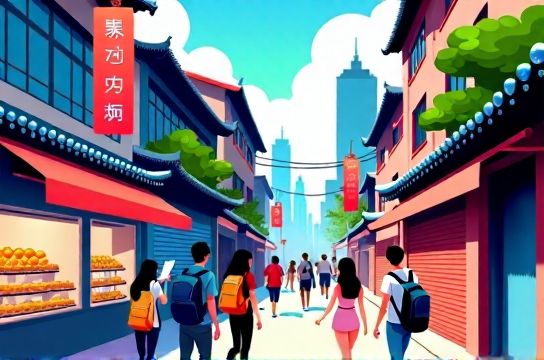
While some race through cities like action heroes, others are slowing down. ‘City walk’ is all about wandering without an agenda—sipping coffee in Shanghai’s French Concession, photographing art deco buildings, or stumbling upon hidden bookshops. It’s mindfulness meets urban discovery.
Platforms like Xiaohongshu have over 800,000 posts tagged #CityWalk, with engagement rates 2.3x higher than standard travel content. Unlike rushed tours, city walkers stay longer (avg. 3.6 nights) and spend more per day—¥620 vs. ¥410 for special forces travelers.
Shopping? It’s All About ‘Emotional Value’ Now
Forget luxury logos. Young Chinese consumers now prioritize guilt-free indulgence and cultural resonance. Local brands like Li-Ning and Peacebird are surging by blending traditional motifs with streetwear.
In 2023, domestic fashion sales grew 14.2%, outpacing international brands (+6.8%). Why? Because buying a silk bomber jacket from a heritage Suzhou brand feels like owning a story—not just a product.
The Hidden Data Driving the Frenzy
Behind every buzzword is hard data. Take livestream commerce: during China’s 2023 National Day holiday, live shopping generated over ¥89 billion in sales, with travel gear and local snacks topping the charts.
Social proof is everything. A single viral video can turn a quiet alley in Yangzhou into a must-visit spot overnight. Location check-ins via mini-programs on WeChat increased by 120% last year, proving that sharing = currency.
Final Thoughts: Culture Moves Faster Than Ever
These trends aren’t fleeting. They reflect deeper shifts: a generation redefining leisure, valuing experience over status, and rewriting consumer rules. Whether you're sprinting through Xi’an’s ancient walls or savoring tea in a hutong courtyard, one thing’s clear—China’s travel and shopping culture isn’t just evolving. It’s setting the global pace.