
How Meme Culture China Shapes Gen Z Humor Online
- Date:
- Views:277
- Source:The Silk Road Echo
In the fast-paced digital world, Chinese meme culture has exploded into a powerful force shaping how Gen Z in China communicates, laughs, and even rebels. Forget traditional comedy—today’s youth are speaking in GIFs, sarcastic captions, and absurd remixes of everyday life. From viral Douyin dances to ironic Weibo posts, memes have become the native language of Chinese youth online.
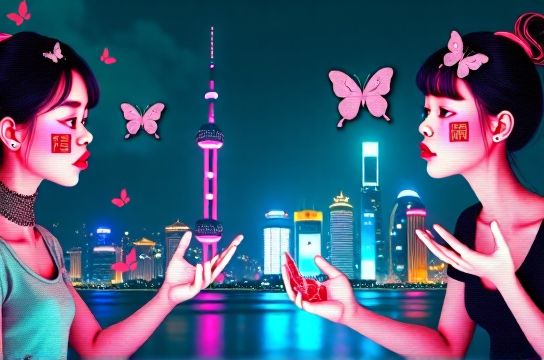
But what makes Chinese meme culture so unique? Unlike Western meme formats that often rely on pop culture references, Chinese memes thrive on local context, linguistic puns, and subtle social commentary. Censorship plays a role too—creativity often flourishes within limits. As a result, Gen Z uses humor as a form of soft resistance, turning frustration into satire through clever wordplay and visual irony.
Take the phrase “摆烂” (bǎi làn), meaning “to let it rot”—a self-deprecating attitude toward work and life pressures. It started as a joke but evolved into a full-blown cultural stance against hustle culture. Or consider “内卷 (nèi juǎn)”, literally “involution,” used to mock endless competition with no real progress. These terms aren’t just slang—they’re memes with deep sociological roots.
To understand the scale of this phenomenon, check out the data below:
Top Platforms for Meme Sharing in China (2024)
| Platform | Monthly Active Users (Millions) | Primary Meme Format | Demographic Focus |
|---|---|---|---|
| Douyin | 780 | Short Videos & Challenges | 18–24 |
| Bilibili | 390 | Anime-style Memes & Danmu Culture | 16–28 |
| 580 | Viral Images & Hashtag Jokes | 18–35 | |
| Little Red Book (Xiaohongshu) | 260 | Lifestyle Satire & Relatable Content | Female Gen Z |
As you can see, each platform cultivates its own meme ecosystem. Bilibili, for example, is known for its danmu (bullet comments) that flood the screen during videos—turning passive viewing into a live comedy show. Meanwhile, Xiaohongshu blends humor with lifestyle content, where users roast overpriced cafes or fake ‘aesthetic’ trends with deadpan captions.
The influence isn’t just cultural—it’s economic. Brands like Li-Ning and Perfect Diary now hire meme-savvy teams to craft campaigns that feel organic, not corporate. One viral campaign featured a mock ‘job interview’ skit where a Gen Z applicant brought a pillow and said, “I’m here for the five hells, not the nine-to-five.” It racked up 12 million views and sparked nationwide discussion.
So, what’s next? As AI tools make meme creation easier, expect even faster cycles and more niche subcultures. But the core will remain: humor as identity, laughter as resistance, and memes as the heartbeat of China’s digital youth.
In short, if you want to understand Gen Z in China, stop reading reports—start scrolling feeds. The truth isn’t in surveys; it’s in the sarcasm, the edits, and the shared eye-roll at society’s absurdity.