
Viral Video Trends China Behind the Social Media Frenzy
- Date:
- Views:197
- Source:The Silk Road Echo
China's viral video scene? It’s not just trending — it’s dominating. From TikTok (or rather, Douyin) dance crazes to heartwarming street interviews, Chinese social media is a goldmine of digital culture. But what really makes a video go viral in a market with over 1 billion internet users? Let’s break it down — no fluff, just real insights.
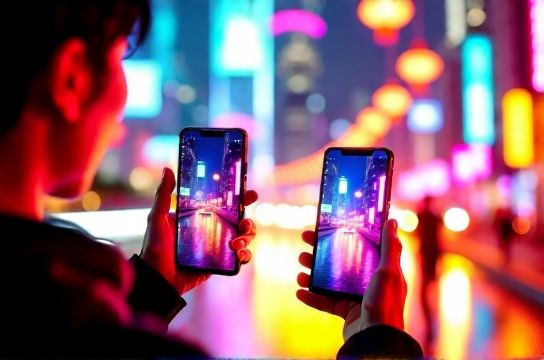
The Engine of Virality: Platforms That Rule
Douyin (TikTok’s Chinese twin), Kuaishou, and Xiaohongshu aren’t just apps — they’re cultural powerhouses. While Douyin leans into polished, music-driven content, Kuaishou thrives on raw, authentic moments from smaller cities. And Xiaohongshu? Think Pinterest meets Instagram, but with more skincare routines and lifestyle hacks.
Here’s a quick snapshot of their reach:
| Platform | Monthly Active Users (2024) | Primary Audience | Top Content Type |
|---|---|---|---|
| Douyin | 780 million | Urban youth (18–35) | Dance, challenges, short skits |
| Kuaishou | 650 million | Small-town users (25–45) | Live streams, daily life vlogs |
| Xiaohongshu | 300 million | Young women (20–30) | Lifestyle, beauty, travel |
What Makes a Video Blow Up?
It’s not random. The secret sauce? Emotion + relatability + timing. A 15-second clip of a grandma dancing to pop music? That’s shared 2 million times. Why? It’s joyful, unexpected, and tugs at the heartstrings.
Also, algorithm magic plays a big role. Douyin’s AI doesn’t just show you what you like — it shows you what could go viral. If your video gets high engagement in the first 30 seconds (likes, comments, shares), boom — it’s pushed to millions.
Behind the Scenes: Creators & Brands Riding the Wave
Top creators aren’t just influencers — they’re entrepreneurs. Take Li Jiaqi, the “Lipstick King,” who sold $480 million worth of cosmetics in a single livestream. Or Zhang Yiming, a rural cook whose Douyin channel hit 50 million followers by filming simple village meals.
Brands are jumping in too. Pepsi launched a Douyin challenge that racked up 3.2 billion views. How? They partnered with micro-influencers (not celebs) to keep it real. Authenticity > polish in China’s digital world.
Cultural Nuances You Can’t Ignore
Western trends don’t always translate. For example, group dances are huge in China — think synchronized moves in public squares. Also, humor often leans on wordplay or subtle satire, which can fly under the radar for non-Mandarin speakers.
And censorship? Yeah, it’s real. Videos get pulled for everything from political references to showing too much skin. Savvy creators know the red lines — and dance right up to them without crossing.
So… How Do You Ride This Wave?
- Start local: Understand regional tastes. A joke in Shanghai might flop in Sichuan.
- Go vertical: 9:16 video format is king. No exceptions.
- Hook fast: First 3 seconds decide fate. Use bold visuals or a surprising line.
- Leverage trends: Jump on existing sounds or hashtags — but add your twist.
In short, virality in China isn’t luck. It’s strategy, emotion, and a deep read on culture. Whether you’re a brand or a creator, the playbook is clear: be real, be fast, and be ready to adapt.