
Explaining Chinese Buzzwords From Netizen Slang to Mainstream Use
- Date:
- Views:179
- Source:The Silk Road Echo
If you've spent any time scrolling through Chinese social media—think Weibo, Douyin, or Xiaohongshu—you've probably stumbled upon phrases like 内卷 (nèijuǎn), 躺平 (tǎngpíng), or 社死 (shèsǐ). These aren't just random syllables; they're cultural snapshots wrapped in internet slang. What started as playful jargon among netizens has now seeped into mainstream conversations, news headlines, and even corporate boardrooms. So, what do these buzzwords really mean, and why are they resonating so deeply across China?
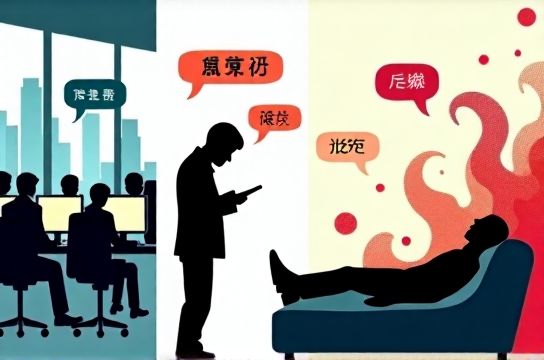
From Meme to Movement: The Rise of Modern Chinese Slang
Chinese internet slang isn’t just about being trendy—it’s a linguistic rebellion. Young people use these terms to express frustration, irony, and resilience in the face of societal pressure. Take 内卷 (nèijuǎn), literally meaning 'involution.' Originally an anthropological term, it now describes cutthroat competition where everyone works harder but gains nothing. A 2023 survey by Peking University found that over 68% of urban millennials feel trapped in 'involution' at work or school.
On the flip side, there's 躺平 (tǎngpíng)—'lying flat.' It symbolizes quiet resistance: opting out of the rat race, rejecting hustle culture. While critics call it defeatist, supporters see it as self-preservation. According to Tencent’s Digital Youth Report, searches for 'how to 躺平' spiked by 340% in 2022 alone.
Decoding the Lingo: Top 5 Buzzwords You Need to Know
Let’s break down some of the most viral terms making waves:
| Buzzword | Literal Meaning | Modern Usage | Popularity Index* |
|---|---|---|---|
| 内卷 (nèijuǎn) | Involution | Futile overcompetition | 9.7/10 |
| 躺平 (tǎngpíng) | Lying flat | Rejecting societal pressure | 9.5/10 |
| 社死 (shèsǐ) | Social death | Extreme embarrassment | 8.8/10 |
| 破防 (pòfáng) | Breach defense | Emotionally overwhelmed | 8.5/10 |
| YYDS | Forever God | Ultimate praise | 9.0/10 |
*Based on Baidu Index and Weibo trend data (2023)
Notice how many of these blend irony with emotional honesty? That’s the genius of modern Chinese slang—it packs complex feelings into punchy phrases.
Why These Words Matter Beyond the Web
These aren’t fleeting memes. They reflect real generational shifts. 社死 (shèsǐ), for example, went from describing awkward TikTok fails to capturing the anxiety of public shaming in digital age. Meanwhile, YYDS (short for 永远的神) exploded during the 2021 Olympics when fans hailed athletes as 'eternal gods.'
The government hasn’t ignored this either. State media has referenced 躺平 and 内卷 in discussions about youth mental health and labor reform. In a rare nod to internet culture, Xinhua Dictionary added emo and 凡尔赛 (fán'ěrsài)—a term mocking humblebragging—in its 2023 edition.
The Global Ripple Effect
As Chinese pop culture spreads—from C-dramas to viral dance trends—so does its lingo. International KOLs now drop phrases like 'I’m 躺平 today' for relatability. Even language apps like Duolingo are testing lessons on internet slang.
Understanding these buzzwords isn’t just fun—it’s a window into the psyche of modern China. They’re more than words; they’re whispers of resistance, humor, and hope in a fast-changing world.