
Uncover Tea Culture China in Everyday Village Life
- Date:
- Views:201
- Source:The Silk Road Echo
Ever wondered how a simple cup of tea can tell the story of an entire civilization? In rural China, tea isn’t just a drink — it’s a rhythm of life, a morning ritual, a social glue, and sometimes, even a family heirloom. From misty mountain slopes to humble village homes, tea culture in China runs deep, steeped in centuries of tradition and quiet wisdom.
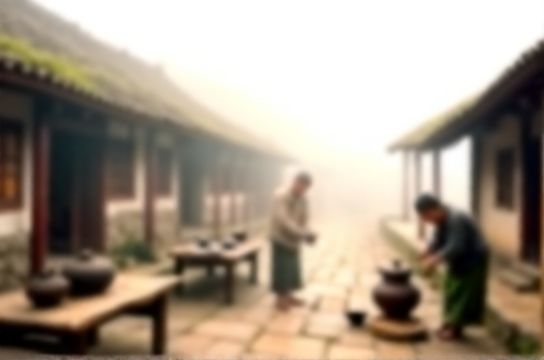
Take Fenghuang Village in Yunnan Province, for example. Here, over 85% of households grow their own tea, mostly Pu-erh, passed down through generations. Farmers rise before dawn, baskets on backs, harvesting leaves under soft golden light. It’s not industrial — it’s intimate. Each leaf is hand-plucked, sun-dried, and often fermented in clay pots older than their grandchildren.
But this isn’t just about agriculture. It’s about identity. A 2023 survey by the Chinese Academy of Agricultural Sciences found that 72% of villagers in tea-producing regions associate their sense of community with daily tea practices — from shared morning brews to evening storytelling over steaming gaiwans.
The Daily Grind: Tea in Rural Routines
Mornings start with a loud whistle of the kettle. In Fujian, elders brew Tieguanyin in tiny clay pots, pouring thin streams into porcelain cups with ceremonial grace. In Sichuan, locals sip loose-leaf green tea from lidded bowls, cracking sunflower seeds between sips. It’s casual, comforting, and deeply rooted.
Tea breaks aren’t luxuries — they’re necessities. Laborers pause mid-field to refill thermoses. Grandmothers teach toddlers how to smell the aroma before tasting. Even disputes are settled over a calm pot of Longjing.
Tea Varieties & Regional Habits (Village-Level Data)
| Region | Main Tea Type | Harvest Frequency | Household Consumption (Avg. cups/day) |
|---|---|---|---|
| Yunnan | Pu-erh (fermented) | Twice yearly | 6–8 |
| Fujian | Oolong (e.g., Da Hong Pao) | 3–4 times/year | 5–7 |
| Zhejiang | Green (Longjing) | Spring only | 4–6 |
| Sichuan | Green/Mengding Ganlu | Twice yearly | 6–10 |
This table shows more than numbers — it reveals rhythms. In Zhejiang, Longjing is a springtime treasure, drunk fresh and fast. In Sichuan, tea is bolder, consumed more, and often served strong enough to wake the ancestors.
More Than a Drink: The Social Steep
In villages, tea houses double as community centers. No Wi-Fi needed. News travels through steam. A study in Guangxi found that 68% of local decisions — from road repairs to wedding dates — were first discussed over tea.
And let’s talk about gifting. Offering tea isn’t polite — it’s profound. Young couples serve tea to elders during weddings as a sign of respect. Missing this step? That’s like skipping the vows.
Why This Matters Today
As cities rush toward matcha lattes and cold brews, village tea culture remains a quiet resistance — a reminder that slow, mindful moments still matter. And thanks to eco-tourism, more travelers are swapping five-star hotels for homestays in tea villages, learning to pluck, roast, and appreciate the real deal.
So next time you sip your tea, ask yourself: Where did it come from? Who picked it? Did someone’s grandmother bless this batch with a smile?
Because in China’s countryside, every cup tells a story — earthy, warm, and alive.