
Meme Culture China How Humor Shapes Digital Discourse
- Date:
- Views:304
- Source:The Silk Road Echo
In the fast-paced world of Chinese social media, memes aren't just jokes—they're a language. From diaosi (slang for 'losers') to sarcastic pandas and dancing uncles, meme culture in China has evolved into a powerful tool for self-expression, social critique, and even political resistance—all wrapped in humor.
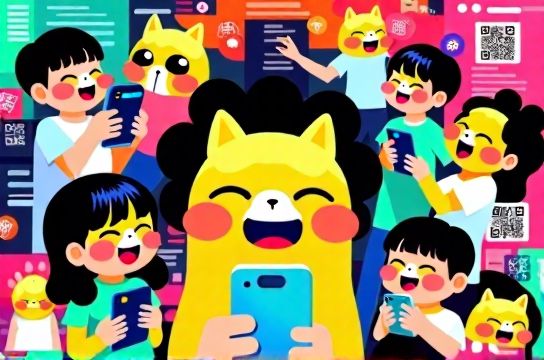
Unlike Western meme formats that often rely on text overlays or viral videos, Chinese netizens blend classical references, puns, and platform-specific censorship workarounds to create content that’s both clever and subversive. Platforms like Weibo, Douyin, and Bilibili are breeding grounds for digital creativity, where a single image can spark nationwide conversation.
Take the iconic 'Grass Mud Horse'—a homophonic joke mocking internet censorship (sounds like a curse word in Mandarin). It became a symbol of online resistance, spawning an entire universe of absurd animal lore. Or consider the rise of 'Buddhist-style' youth (foxi qingnian), a meme movement reflecting Gen Z’s resigned humor toward burnout and societal pressure.
But it’s not all satire. Memes also drive commerce. In 2023, Alibaba reported that meme-inspired product tags increased click-through rates by up to 37% during Singles’ Day. Brands now hire 'meme consultants' to stay relevant.
Why Chinese Memes Hit Different
Chinese memes thrive on linguistic play and cultural nuance. Homophones, historical allusions, and emoji combinations allow users to bypass automated filters while still communicating meaning. This 'coded humor' strengthens in-group identity among netizens.
According to a 2024 report by QuestMobile, over 680 million monthly active users engage with meme content on mobile platforms in China, with the 18–35 age group leading consumption.
A Snapshot of Meme Impact (2023)
| Metric | Data |
|---|---|
| Monthly Meme Users (China) | 680 million |
| Avg. Time Spent Daily | 42 minutes |
| Social Commerce Conversion Boost | +37% |
| Top Platform: Bilibili Meme Posts/Month | 1.2 million |
The beauty of meme culture in China lies in its duality: it’s silly on the surface but deeply reflective of societal moods. During economic slowdowns, self-deprecating memes about 'lying flat' (tangping) go viral. When exam season hits, students share images of exhausted cartoon figures with slogans like 'I’m not lazy—I’m in energy-saving mode.'
Even state media has jumped on the trend. CCTV once used a popular meme format to promote anti-corruption campaigns, proving that humor transcends ideology when it resonates emotionally.
So next time you scroll past a goofy panda or a dancing grandpa video, remember: there’s more than meets the eye. In China’s digital landscape, laughter isn’t just escape—it’s commentary, connection, and quiet rebellion—all in one shared joke.