
Understanding Online Buzzwords China From Memes to Shopping Frenzies
- Date:
- Views:185
- Source:The Silk Road Echo
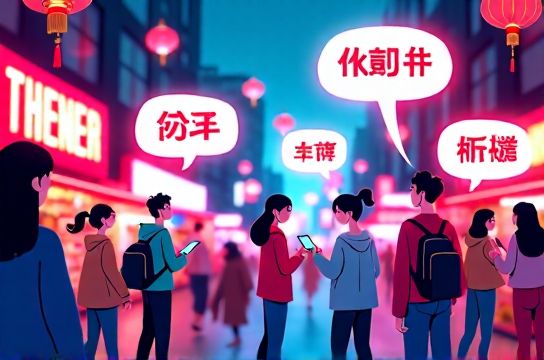
If you've ever scrolled through Chinese social media and felt like everyone was speaking a different language—congrats, you're not alone. The world of Chinese internet slang is wild, fast-paced, and packed with cultural nuance. From viral memes to shopping mania, online buzzwords in China aren’t just fun—they’re a digital goldmine for marketers, linguists, and curious netizens alike.
Why Chinese Internet Slang Matters
In China, where platforms like Weibo, Douyin (TikTok), and Xiaohongshu dominate daily life, internet slang isn’t just casual chatter—it’s currency. These phrases shape public opinion, drive e-commerce trends, and even influence government messaging. With over 1.05 billion internet users in China (CNNIC, 2023), understanding the lingo means understanding the pulse of a nation.
Top Buzzwords & Their Origins
Let’s break down some of the most iconic terms making waves across Chinese cyberspace:
| Buzzword | Literal Meaning | Cultural Context | Usage Example |
|---|---|---|---|
| 内卷 (Nèijuǎn) | Involution | Describes cutthroat competition with no real gain—like students studying 18 hours a day just to stay average. | “职场太内卷了,我不想加班。” (Work is so involutional, I don’t want to work overtime.) |
| 躺平 (Tǎngpíng) | Lying flat | A passive resistance to societal pressure—opting out of the rat race. | “我选择躺平,不买房不结婚。” (I choose to lie flat—no house, no marriage.) |
| 破防 (Pòfáng) | Break defense | Emotionally overwhelmed—used when something hits too close to home. | “看到那个视频我直接破防了。” (That video completely broke my defenses.) |
| 双十一 (Shuāngshíyī) | Singles’ Day | Started as an anti-Valentine’s joke, now Alibaba’s $110B+ shopping frenzy. | “今年双十一我剁手了!” (I went on a shopping spree this Singles’ Day!) |
From Meme to Mainstream
What makes these terms stick? It’s all about relatability. Take “lying flat”—it resonated because millions of young Chinese feel crushed by housing costs, job insecurity, and family expectations. It wasn’t just a phrase; it became a movement.
And then there’s commerce. Double Eleven turned a sarcastic holiday into the world’s biggest shopping event. In 2023, Alibaba reported ¥540.3 billion ($75B+) in gross merchandise volume. That’s not just sales—that’s cultural engineering.
How Brands Ride the Wave
Smart companies don’t ignore slang—they embrace it. Local brands like Li-Ning use terms like “国潮 (Guócháo)” or 'national trend' to fuel patriotic fashion lines. International brands? They’re catching on. Nike China’s ads now drop phrases like “Just Do It” alongside “别卷了,去打球!” (“Stop the grind, go play ball!”).
The Flip Side: Censorship & Evolution
Of course, not all slang survives. Terms like “草泥马” (a pun on a vulgar phrase) were banned, showing how language dances around censorship. But creativity wins—netizens keep inventing new ways to say what they mean.
So whether you're decoding memes or planning your next marketing campaign, one thing’s clear: Chinese internet culture is loud, clever, and always evolving. Stay curious, stay fluent.