
Decoding Chinese Buzzwords Behind the Latest Internet Slang
- Date:
- Views:214
- Source:The Silk Road Echo
If you've scrolled through Chinese social media lately—whether it's Weibo, Douyin, or Xiaohongshu—you've probably seen phrases like 'jue jing' (内卷), 'tang ping' (躺平), or 'ba ji le' (摆架子). These aren't just random expressions; they're cultural snapshots of a generation navigating pressure, identity, and digital life. Let’s dive into the most viral Chinese internet slang, decode their meanings, and uncover what they reveal about modern China.
Why Chinese Net Slang Matters
China’s internet culture is a linguistic playground. With over 1.05 billion netizens (CNNIC, 2023), online expression evolves fast. Censorship also fuels creativity—users invent coded language to bypass filters. That’s how buzzwords become both rebellion and relief.
Top 5 Viral Chinese Slang Terms Explained
- Jue Jing (内卷) – Involution: Originally an anthropological term, it now describes cutthroat competition with no real gain. Think students studying 16 hours a day just to stay average.
- Tang Ping (躺平) – Lie Flat: A quiet protest against hustle culture. Young people reject overwork, choosing minimalism and mental peace.
- Ba Ji Le (摆架子) – Being Posh: Mocking someone acting superior. Often used sarcastically when influencers flaunt luxury lifestyles.
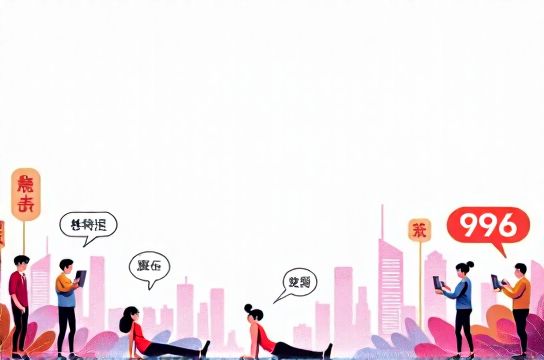
- 996 IC U: A dark joke meaning “9 am to 9 pm, 6 days a week—I see you.” Criticizes toxic work hours in tech firms.
- Zao An (早安) as Sarcasm: Literally “good morning,” but used ironically to call out early wake-up challenges or burnout.
What the Data Says: Gen Z & Digital Burnout
A 2023 survey by iResearch shows:
| Buzzword | Usage Growth (YoY) | Main User Group | Emotional Tone |
|---|---|---|---|
| Jue Jing | +68% | 18–30 years | Frustration |
| Tang Ping | +120% | 20–35 years | Resignation |
| Ba Ji Le | +45% | 16–28 years | Sarcasm |
| 996 IC U | +90% | 22–34 years | Anger |
Cultural Insight: More Than Just Words
These terms reflect deeper societal shifts. Tang Ping, for example, isn’t laziness—it’s a pushback against unrealistic expectations. Meanwhile, jue jing highlights systemic issues in education and employment.
Brands have taken notice. Companies like Li-Ning and Perfect Diary use slang in ads to connect with youth. Even state media cautiously engages, with Xinhua calling tang ping a “wake-up call” for policymakers.
How to Use These Terms (Without Faking It)
Want to blend in online? Here’s how:
- Use jue jing when吐槽 (complaining) about endless exams or promotions.
- Say tang ping after a long week—“I’m done. Time to lie flat.”
- Drop 996 IC U in work chats (if you dare).
Just remember: context is king. Misuse can come off as tone-deaf or try-hard.
The Future of Chinese Internet Language
As censorship and creativity clash, expect more metaphorical, ironic, and meme-driven slang. Emojis, homophones (like “wuma” for “censored”), and anime references will keep evolving the lingo.
In short, understanding these buzzwords isn’t just about language—it’s about listening to a generation redefining success, sanity, and self-expression in a hyper-connected world.