
Understanding the ‘Waste Material’ (Feizhai) Identity in Online Communities
- Date:
- Views:360
- Source:The Silk Road Echo
You’ve probably come across the term *feizhai* — literally meaning 'waste material' — while scrolling through Chinese social media or online forums. It sounds harsh, right? But in internet culture, especially among young people, it’s way more complex than just an insult. Think of it as a mix of self-deprecation, dark humor, and quiet rebellion against societal pressure.
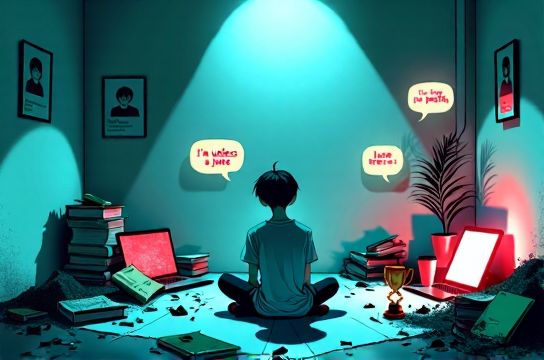
So what does *feizhai* actually mean? At its core, it's a label people use to describe themselves when they feel like they’re failing — not hitting career goals, stuck in low-paying jobs, or just not living up to family or social expectations. But here’s the twist: instead of hiding that shame, netizens own it. They joke about being lazy, broke, or unambitious. Memes flood platforms like Weibo and Zhihu with captions like 'Another day, another feizhai moment.' It’s sad, sure — but also weirdly comforting.
The rise of this identity reflects deeper issues. In a society where success is often measured by wealth, job title, or marriage status, many young adults feel left behind. The pressure to 'make it' is intense. So when someone calls themselves *feizhai*, it’s not always literal. It’s a cry for empathy, a way to say, 'I’m struggling, and I don’t want to pretend anymore.'
Interestingly, *feizhai* culture has created its own kind of community. People bond over shared feelings of inadequacy. They exchange tips on surviving dead-end jobs, avoiding parental nagging, or just finding joy in small things — like sleeping in or eating cheap street food. It’s anti-hustle culture before that phrase even trended in the West.
Some critics argue that *feizhai* promotes laziness or defeatism. But supporters see it differently. To them, it’s about mental health, authenticity, and pushing back against unrealistic standards. Calling yourself a 'waste' might sound extreme, but for many, it’s actually liberating. It removes the pressure to constantly perform.
And let’s be real — everyone has days where they feel like a *feizhai*. Maybe you didn’t get that promotion. Maybe your side hustle flopped. Or maybe you just spent the weekend binge-watching shows instead of 'leveling up.' That doesn’t make you broken. It makes you human.
What’s fascinating is how this online identity blurs the line between irony and truth. Are people really okay with being 'waste,' or are they masking pain with humor? Probably both. The beauty of *feizhai* culture is that it doesn’t demand answers. It just says: 'It’s okay to not be okay.'
As China’s youth navigate economic uncertainty and sky-high expectations, identities like *feizhai* will likely keep evolving. Whether it’s seen as a coping mechanism or a social warning sign depends on who you ask. But one thing’s clear: in a world obsessed with winning, sometimes admitting you’re 'waste' is the most honest thing you can do.