
How Short Video Platforms Shape China's Pop Culture
- Date:
- Views:292
- Source:The Silk Road Echo
In the blink of an eye, short video apps have gone from trendy distractions to cultural powerhouses in China. Platforms like Douyin (TikTok’s Chinese sibling), Kuaishou, and Bilibili aren’t just where people kill time—they’re shaping music, fashion, language, and even social movements. If you’ve ever wondered how a 15-second clip can launch a nationwide dance craze or turn an unknown into a celebrity overnight, you’re not alone.
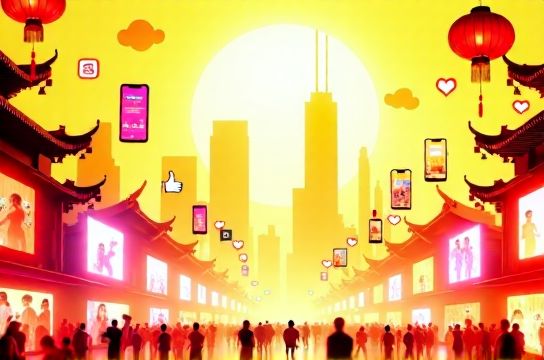
Let’s dive into how these digital stages are rewriting the rules of pop culture—one swipe at a time.
The Rise of the 60-Second Superstar
Gone are the days when fame required years of training or industry connections. Today, a viral dance on Douyin can make someone a household name in 48 hours. According to QuestMobile, as of 2023, over 780 million users in China actively consume short videos monthly—more than half the population!
These platforms thrive on algorithmic magic. The more you watch, the smarter the feed gets, serving up content that feels personal and addictive. It’s not just entertainment—it’s identity formation. Teens mimic slang from influencers; street vendors adopt trending jingles; even government campaigns now use short videos to reach citizens.
Data That Speaks Volumes
Check out this snapshot of user engagement across major platforms:
| Platform | Monthly Active Users (Millions) | Avg. Daily Usage (Minutes) | Cultural Impact Score* |
|---|---|---|---|
| Douyin | 720 | 110 | 9.5/10 |
| Kuaishou | 650 | 95 | 8.7/10 |
| Bilibili | 300 | 85 | 9.0/10 |
*Cultural Impact Score based on trend origination, influencer reach, and cross-industry adoption.
From Viral Dance to National Obsession
Remember the ‘Sea Wave Drum’ challenge? What started as a quirky lip-sync clip exploded into schoolyards, wedding parties, and even fitness routines. These micro-trends don’t just fade—they evolve. A single audio snippet can spawn thousands of reinterpretations, creating a living, breathing cultural loop.
Fashion brands have taken note. In 2022, Li-Ning saw a 32% sales spike after its retro sneakers were featured in a top Douyin fashion battle. Meanwhile, local tea chains like HeyTea leverage influencer unboxings to drive foot traffic—proving that visibility equals value.
The Dark Side? Sure, But Progress Wins
Critics argue these platforms promote shallow content or unrealistic lifestyles. And yes, there are concerns about screen addiction and misinformation. But regulators are stepping in with tighter content rules, and many creators now focus on education, heritage preservation, and mental health—topics once deemed “too serious” for short-form media.
Take rural storyteller @Cuizhu from Kuaishou, whose videos on traditional farming life have garnered millions of urban fans hungry for authenticity. Or Bilibili’s rise as a hub for academic content—where lectures on quantum physics go viral alongside anime reviews.
What’s Next?
The fusion of AI, live commerce, and user-generated content is accelerating. Soon, your favorite influencer might not just recommend a product—they’ll co-design it with fans via real-time polls and AR try-ons.
China’s pop culture isn’t just being consumed; it’s being crowdsourced. And short video platforms? They’re the megaphone, the stage, and the spotlight—all rolled into one.