
From Douyin to Kuaishou How Chinese Netizens Shape Pop Culture
- Date:
- Views:264
- Source:The Silk Road Echo
In the blink of an eye, a dance challenge on Douyin can explode into a national craze. A farmer in rural China uploads a simple song on Kuaishou, and suddenly, it's topping charts. Welcome to the wild, fast-paced world of Chinese digital culture—where everyday users aren’t just consumers, they’re the architects of pop trends.
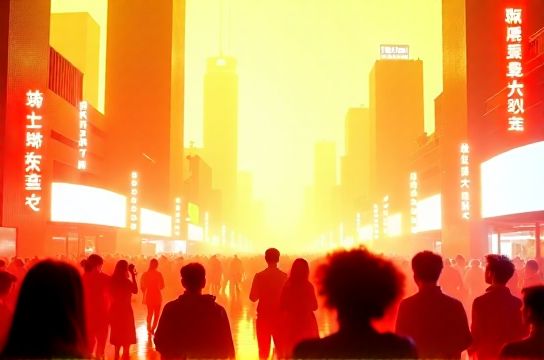
With over 1 billion mobile internet users in China, short-video platforms like Douyin (TikTok’s domestic twin) and Kuaishou have become cultural powerhouses. But what makes them so influential? Let’s dive into how ordinary netizens are reshaping music, fashion, language, and even business—all from their smartphones.
The Rise of User-Driven Culture
Gone are the days when TV networks dictated what was cool. Now, a teenager in Chengdu can start a slang term that spreads across provinces in 48 hours. According to CNNIC, as of 2023, 78% of Chinese internet users watch short videos daily, averaging 110 minutes per session. That’s more time than most spend eating or commuting.
Douyin thrives on polished, trend-driven content—think choreographed dances and viral challenges. Kuaishou, on the other hand, celebrates authenticity. Its slogan, “See the real life,” resonates with users in smaller cities and rural areas, giving them a spotlight often ignored by mainstream media.
Data That Speaks Volumes
Let’s break down the numbers behind these giants:
| Platform | Monthly Active Users (2023) | Average Session Duration | Primary User Base |
|---|---|---|---|
| Douyin | 750 million | 98 minutes | Urban youth (18–30) |
| Kuaishou | 650 million | 110 minutes | Small cities & rural (25–40) |
Notice something? Kuaishou users may be slightly fewer, but they stay longer. Why? Because real-life storytelling—like a grandmother cooking dumplings or a migrant worker singing folk songs—creates deeper emotional hooks.
From Viral Moments to Real-World Impact
Remember the 'Handshake Dance' that swept Douyin in 2022? It wasn’t created by a celebrity—it started with a group of high schoolers in Xi’an. Within weeks, it was performed at weddings, school events, and even by local government staff in promotional videos.
And let’s talk money. Kuaishou’s live-streaming economy generated over $40 billion in GMV (Gross Merchandise Value) in 2022. Farmers sell apples directly to city dwellers; artisans promote handmade goods. This isn’t just entertainment—it’s a new economic engine driven by user content.
Cultural Democratization at Scale
What’s truly revolutionary is how these platforms level the playing field. You don’t need a record label to go viral. You don’t need fashion school to set trends. A factory worker wearing DIY neon outfits can become a style icon. Language evolves too—slang like “社死” (she si, meaning 'social death') or “躺平” (tang ping, 'lying flat') originate online and enter everyday speech.
These platforms don’t just reflect culture—they create it. And with AI-powered recommendations, content spreads faster than ever. One quirky video can spark a nationwide meme, challenge, or movement.
The Road Ahead
As 5G and AI deepen integration, expect even more immersive experiences—AR filters, voice-driven trends, hyper-localized content. But the core will remain: real people, real moments, real influence.
In China, pop culture isn’t handed down—it bubbles up. From Douyin’s dazzling trends to Kuaishou’s grounded stories, netizens aren’t just shaping culture. They are the culture.