
How Meme Culture China Shapes Online Humor
- Date:
- Views:199
- Source:The Silk Road Echo
In the wild, fast-paced world of Chinese social media, memes aren’t just jokes — they’re a cultural revolution. From diaosi (slang for 'loser') to the iconic Doge cousin Baozi, meme culture in China has evolved into a powerful tool for self-expression, satire, and even subtle social commentary.
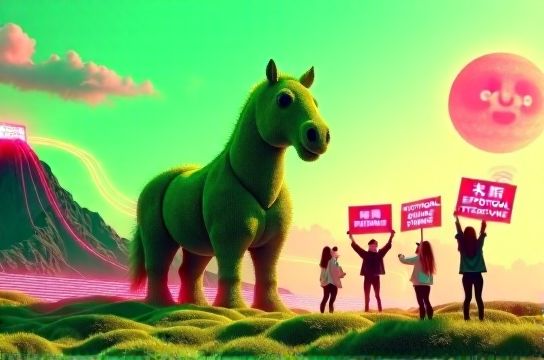
Unlike Western meme trends that often go viral through platforms like Reddit or Twitter, China’s meme scene thrives on Weibo, Douyin (TikTok’s local twin), and Bilibili — each with its own flavor of digital absurdity. What makes Chinese meme culture so unique? It’s the blend of linguistic creativity, political nuance, and visual puns that fly under the radar of censors.
Take the rise of “Grass Mud Horse” — yes, it sounds funny, and it is. But behind this absurd name (a homophone for a Mandarin profanity) lies a clever act of resistance. In the late 2000s, netizens used animal memes like the Grass Mud Horse and River Crab (a pun on “harmony,” referencing censorship) to mock internet restrictions. These weren’t just silly images; they were coded language in a digital age of surveillance.
Fast forward to today, and meme formats have gone mainstream. The “Emotional Support Liter” trend turned a simple 1-liter bottle of Nongfu Spring water into a symbol of minimalism and emotional resilience. Why? Because in a society where youth face intense pressure, even a plain water bottle becomes a statement: "I’m surviving, and that’s enough."
Let’s break down some key meme archetypes dominating Chinese cyberspace:
| Meme Type | Origin Platform | Viral Reach (Est.) | Cultural Meaning |
|---|---|---|---|
| Grass Mud Horse | Baidu Tieba | 50M+ | Anti-censorship satire |
| Emotional Support Liter | Douyin | 200M+ | Youth burnout & minimalism |
| Tang Ping ("Lie Flat") | 300M+ | Anti-hustle movement | |
| Fan Bingbing Egg Roll | Bilibili | 10M+ | Nostalgia + celebrity parody |
These memes aren’t just random laughs — they reflect real societal shifts. The Tang Ping (“lie flat”) movement, for example, exploded when young workers rejected the 996 work culture (9 AM to 9 PM, 6 days a week). Instead of grinding endlessly, they chose to "lie flat" — live simply, work less, and reclaim mental peace. Memes of people napping in cardboard boxes or replacing office chairs with hammocks went viral, symbolizing quiet rebellion.
Meanwhile, on Bilibili, anime-loving millennials remix vintage CCTV intros with modern slang, creating surreal montages that feel both nostalgic and cutting-edge. This blend of irony and emotion is what fuels China’s meme machine.
So, what’s next? As AI-generated content rises, we’re seeing AI-powered meme bots that auto-generate sarcastic captions based on trending hashtags. The line between humor and protest continues to blur — but one thing’s clear: in China, a meme is never just a meme.