
Decoding Chinese Buzzwords The Stories Behind the Slurps
- Date:
- Views:206
- Source:The Silk Road Echo
Ever scrolled through Chinese social media and seen phrases like 内卷 (nèijuǎn) or 躺平 (tǎngpíng) flying around like dumplings in a boiling pot? You’re not alone. These aren’t just random syllables—they’re cultural snapshots of modern China’s mood, served hot with a side of sarcasm. Let’s dive into the linguistic soup and decode the buzzwords that are reshaping how young Chinese people talk about life, work, and survival.
What Are Chinese Buzzwords, Anyway?
Chinese internet slang isn’t just playful—it’s poetic resistance. Born from Weibo, Douyin, and late-night group chats, these terms compress complex social phenomena into bite-sized expressions. Think of them as emotional hashtags with PhDs in sociology.
The Big Four: Words That Broke the Internet
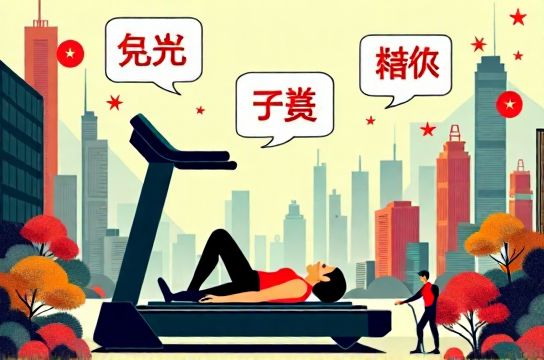
- 内卷 (nèijuǎn) – Involution: Imagine running on a treadmill that keeps speeding up—everyone’s working harder, but no one moves forward. That’s nèijuǎn. Originally an anthropological term, it now describes cutthroat competition in schools and offices. A 2023 Peking University survey found 68% of undergraduates feel trapped in academic involution.
- 躺平 (tǎngpíng) – Lie Flat: The Gen-Z rebellion. Instead of burning out, some choose to “lie flat”—opting out of the rat race. It’s not laziness; it’s a quiet protest. According to a Tencent report, 41% of urban youth aged 18–30 have considered adopting a low-desire lifestyle.
- 打工人 (dǎgōngrén) – Laborer Life: Once a neutral term for “worker,” now laced with irony. “Hey, fellow laborer!” is how friends greet each other at 9 AM, already exhausted. Meme accounts with millions of followers turn office drudgery into dark comedy.
- 破防 (pòfáng) – Emotional Breakthrough: Literally “break defense,” this means getting emotionally wrecked—by a touching ad, a sad K-drama, or your mom’s text saying “Eat well.” It’s the digital equivalent of ugly-crying into your boba tea.
Cultural Pulse Check: Why These Words Matter
These aren’t fleeting trends. They reflect real anxieties: sky-high housing prices, grueling 996 work culture (9 AM–9 PM, 6 days a week), and shrinking social mobility. As one Shanghai office worker put it: “We used to dream of buying a house. Now we dream of surviving until Friday.”
| Buzzword | Literal Meaning | Social Context | Popularity Index* |
|---|---|---|---|
| 内卷 (nèijuǎn) | Involution | Hyper-competition | 9.7/10 |
| 躺平 (tǎngpíng) | Lie Flat | Anti-hustle movement | 8.5/10 |
| 打工人 (dǎgōngrén) | Urban laborer | Workplace burnout | 9.2/10 |
| 破防 (pòfáng) | Emotional breakdown | Mental health awareness | 7.8/10 |
*Based on Baidu Index and Sina Weibo engagement (2023)
From Slang to Mainstream
These words have escaped the internet. Tǎngpíng made it into official media debates. Nèijuǎn is now used in policy discussions. Even global brands like Starbucks China have tapped into the vibe, launching “dǎgōngrén fuel” campaigns with ironic slogans.
How to Use Them Like a Pro
Drop these in conversation (in Mandarin, of course):
- “Ugh, another overtime night. Truly living the dǎgōngrén dream.”
- “After that salary cut? Total pòfáng moment.”
- “I’m not lazy—I’m practicing tǎngpíng philosophy.”
Just don’t use them in job interviews. HR might not appreciate the nuance.
The Takeaway
Chinese buzzwords are more than memes—they’re mirrors. They show a generation navigating pressure with humor, irony, and quiet defiance. So next time you hear nèijuǎn, don’t just translate it. Feel it. Because sometimes, the loudest statements come in the form of a sigh—and a perfectly timed slurp.