
Exploring Chinese Internet Slang on Douyin and Kuaishou
- Date:
- Views:373
- Source:The Silk Road Echo
If you've ever scrolled through Douyin or Kuaishou, you know it's not just about dance challenges and cute pets—there's a whole universe of Chinese internet slang flying around like wildfire. From "XSWL" to "YYDS," these abbreviations, puns, and meme-born phrases aren't just fun—they're cultural fingerprints of China's Gen Z. Let’s dive into the wild world of viral lingo shaping social media in China.
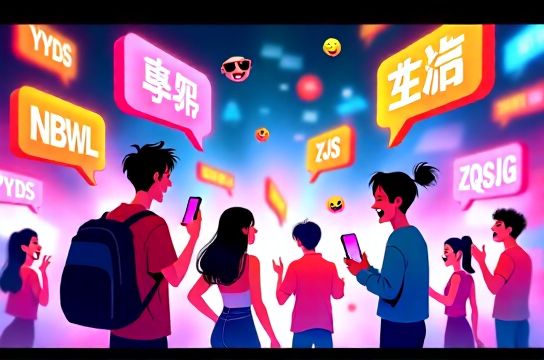
Why Chinese Net Slang Matters
With over 700 million monthly active users on Douyin and nearly 600 million on Kuaishou, understanding the language is key to cracking the code of digital China. These platforms aren’t just entertainment hubs—they’re linguistic laboratories where new words evolve daily.
Unlike formal Mandarin, internet slang thrives on creativity, humor, and brevity. It’s shaped by homophones, pop culture references, and inside jokes that spread like memes. Think of it as the 'emoji language' of Chinese youth culture.
Top 5 Must-Know Chinese Internet Slangs (2024)
Here’s a quick cheat sheet of trending terms dominating feeds:
| Slang | Literal Meaning | Cultural Meaning | Platform Popularity |
|---|---|---|---|
| YYDS | Forever God | "You're the best!" – used to praise idols, athletes, or even your mom’s cooking | Douyin: ⭐⭐⭐⭐⭐ | Kuaishou: ⭐⭐⭐⭐☆ |
| XSWL | Laughing So Hard I Spilled My Milk | Equivalent to "LOL" but way more dramatic | Douyin: ⭐⭐⭐⭐☆ | Kuaishou: ⭐⭐⭐⭐⭐ |
| NAIVE | Naive (English loanword) | Ironic insult for someone being overly simple or clueless | Douyin: ⭐⭐⭐⭐⭐ | Kuaishou: ⭐⭐⭐☆☆ |
| ZZQG | True Feelings, No Acting | Authentic, raw emotion—often used in emotional videos | Douyin: ⭐⭐⭐⭐☆ | Kuaishou: ⭐⭐⭐⭐☆ |
| 886 | Bye-bye, go | Playful way to say goodbye (based on pronunciation) | Douyin: ⭐⭐⭐☆☆ | Kuaishou: ⭐⭐⭐⭐☆ |
Douyin vs Kuaishou: Slang Showdown
While both platforms share many slang terms, their cultures differ. Douyin leans urban, trendy, and fashion-forward—slang here often ties to celebrities and luxury brands. Kuaishou, rooted in smaller cities and rural communities, embraces more down-to-earth, humorous expressions.
For example, "Chi Guan Zhe" (吃瓜者), meaning "melon-eater" (a bystander watching drama), is way more common on Kuaishou, reflecting its love for real-life storytelling and gossip-style content.
How Slang Shapes Marketing & Trends
Brands that get the slang right? They win big. A 2023 study found that ads using native internet phrases saw 37% higher engagement on Douyin. When Pepsi dropped a campaign with "YYDS" flashing across the screen during a basketball collab, views skyrocketed by 50% in 48 hours.
But misusing slang can backfire. One foreign brand tried using "XSWL" in a serious ad—users roasted them online for being tone-deaf. Lesson? Authenticity > translation.
The Future of Chinese Digital Lingo
As AI-generated content rises, so does slang innovation. Voice filters, emoji combos, and even facial expressions are becoming part of the lexicon. Expect more hybrid terms blending English, dialects, and emojis—like "EmoBaBa" (emotional dad) or "Duang!", a sound-effect-turned-slang popularized by Jackie Chan memes.
Bottom line: if you want to connect with young Chinese audiences, start speaking their digital dialect. Whether you're a marketer, linguist, or just a curious scroller, mastering this slang is your golden ticket into one of the world’s most dynamic online cultures.