
Meme Culture China How Trends Go Viral Overnight
- Date:
- Views:301
- Source:The Silk Road Echo
If you've scrolled through Chinese social media lately, you know—meme culture in China isn't just funny, it's fast. One minute, a farmer in Yunnan is deadpanning into a livestream; the next, his face is plastered across millions of WeChat stickers. So how do memes in China explode overnight? Buckle up—we're diving deep.
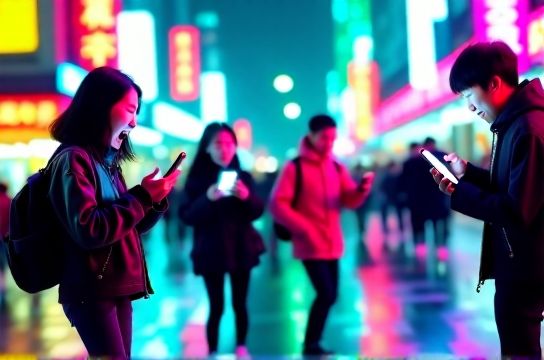
The Engine of Virality: Platforms That Fuel the Fire
Unlike Western meme ecosystems dominated by Reddit and Twitter, China’s meme machine runs on a different OS. Here’s where the magic happens:
- Douyin (TikTok): Short videos with snappy audio clips = meme gold.
- WeChat: The digital Swiss Army knife. Memes spread via chats, Moments, and mini-programs.
- Bilibili: Home to Gen Z nerds who remix and annotate memes like scholars with WiFi.
- Weibo: China’s version of Twitter—trending hashtags often kick off meme storms.
Why Chinese Memes Spread Like Wildfire
It’s not just about being funny. It’s about resonance. Many viral memes tap into shared cultural stress points—like work-life imbalance or exam pressure. Take “Tang Ping” (lying flat), a meme-turned-movement mocking overwork. It didn’t just trend—it sparked national debate.
Data shows that emotionally charged content spreads 3x faster on Chinese platforms. And humor? It’s the Trojan horse for social commentary.
Meme Lifecycle: From Obscure to Omnipresent
Here’s how fast a typical meme moves in China:
| Stage | Timeframe | Platform | User Engagement |
|---|---|---|---|
| Origin | Hour 0 | Livestream or Bilibili comment | ~50 views |
| Viral Spark | Hours 1–3 | Weibo trending topic | 50k+ likes |
| Peak Saturation | Hours 6–12 | Douyin challenges + WeChat stickers | 10M+ views |
| Commercialization | Day 1–2 | E-commerce (Taobao merch) | Brands jump in |
| Fade | Day 3+ | Niche forums | Inside joke status |
Yes, some memes go from zero to hero in under 12 hours. That’s not just virality—that’s light-speed culture.
Case Study: 'Kuāng Huāng' (Panic) Dog
In early 2023, a Pomeranian reacting to fireworks with wide-eyed terror became Kuāng Huāng Gǒu—"Panic Dog." Within 48 hours:
- Over 2 million Douyin remixes
- Sold-out plush toys on Taobao
- Featured in a Tencent ad campaign
This wasn’t random. The dog’s expression mirrored urban anxiety—perfect for relatable meme-jacking.
SEO Keywords & Cultural Code-Switching
Want your meme to trend? Use platform-specific slang. On Weibo, #摆烂 (bǎi làn – "to give up dramatically") gets 8M+ views. On Bilibili, "鬼畜" (guǐ chù – weirdly addictive edits) is catnip for algorithms.
Pro tip: Add subtle irony or political soft-puns (within censorship lines), and you’ve got a better shot at algorithmic love.
Final Thoughts
Meme culture in China is more than jokes—it’s a real-time pulse of public sentiment. With lightning-fast sharing, emotional resonance, and platform synergy, a single moment can become a movement overnight. So next time you see a panda shrugging on WeChat, remember: it’s not just cute. It’s cultural code.