
Why Some Viral Video Trends China Never Leave the App
- Date:
- Views:333
- Source:The Silk Road Echo
If you've ever scrolled through TikTok—or its Chinese twin, Douyin—you’ve probably seen clips so catchy, so bizarre, or so brilliant that you thought: This should be everywhere! But here's the twist: many of these viral sensations never make it beyond China’s digital borders. Ever wondered why?
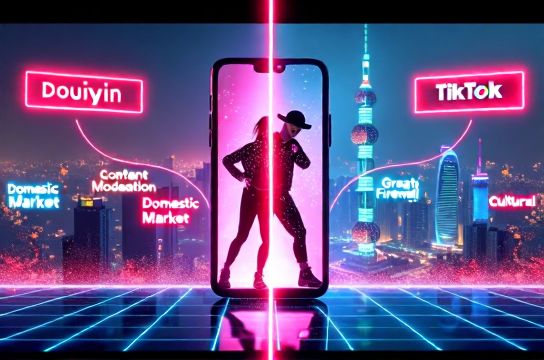
The answer isn’t just about censorship or language barriers—it’s a mix of cultural context, platform design, and government oversight that keeps some trends locked inside the Great Firewall.
The Algorithm Trap: Built to Stay Local
Douyin (China’s version of TikTok) uses hyper-localized algorithms that prioritize content based on region, dialect, and even local humor. Unlike global TikTok, which pushes content across borders with hashtags like #fyp or #viral, Douyin’s recommendation engine is designed to keep users engaged within China’s digital ecosystem.
For example, a dance challenge using a popular Mandarin pop song might go mega-viral in Chengdu but flop in Chicago—not because it’s not fun, but because the cultural reference is lost in translation.
Cultural Nuances That Don’t Translate
Some trends are deeply rooted in Chinese social behavior. Take the 'lying flat' challenge, where users dramatically collapse onto benches or floors to symbolize rejecting societal pressure. While this resonates with Chinese youth facing intense work culture, Western audiences often see it as just… weird.
Similarly, food challenges involving stinky tofu or century eggs might gross out international viewers—even though they’re beloved in China.
Government Influence & Content Boundaries
Let’s be real: China’s internet is tightly regulated. Platforms like Douyin must comply with strict content guidelines set by the Cyberspace Administration of China. Any trend that could be seen as politically sensitive—even indirectly—is quickly flagged or suppressed.
Remember when a simple hand gesture became a meme? If it resembles a banned symbol or gets interpreted as dissent, it vanishes overnight. This self-censorship means creators play it safe, focusing on entertainment that stays within approved themes: family, patriotism, or lighthearted comedy.
Data Snapshot: Why Chinese Viral Trends Stay Put
Beyond culture and control, hard data shows how isolated these trends really are:
| Metric | China (Douyin) | Global (TikTok) |
|---|---|---|
| Monthly Active Users | 750 million | 1.3 billion |
| Average Watch Time per Day | 110 minutes | 60 minutes |
| Top Trend Categories | Folk dances, parenting hacks, patriotic songs | Comedy skits, fashion hauls, relationship drama |
| Content Moderation Speed | Under 2 hours | 24–72 hours |
As you can see, Chinese users spend nearly twice as long on the app daily compared to global users—meaning the platform doesn’t need outside content to keep engagement high.
So… Can Anything Break Through?
Sure—but only if it’s universally relatable. Remember the #PaperClipChallenge? A user folded paper clips into tiny animals, and it spread globally because no language or culture was needed to appreciate the skill.
Visual creativity, humor without dialogue, and universal emotions (like surprise or awe) have the best shot at escaping the app. But most trends? They're made for a specific audience—and they stay there.
In the end, China’s viral video ecosystem isn’t broken—it’s designed to be self-sustaining. And while we may miss out on some quirky gems, the system works exactly as intended: keeping users hooked, content controlled, and trends local.