
How Humor in Meme Culture China Differs by Region
- Date:
- Views:242
- Source:The Silk Road Echo
If you've ever scrolled through Chinese social media and wondered why a meme that kills in Guangdong falls flat in Beijing, you're not alone. China's meme culture isn't one-size-fits-all — it's a wild, region-specific carnival of inside jokes, dialects, and local quirks. Let’s dive into how humor varies across China’s digital landscape, from Shanghai sarcasm to Sichuan snark.
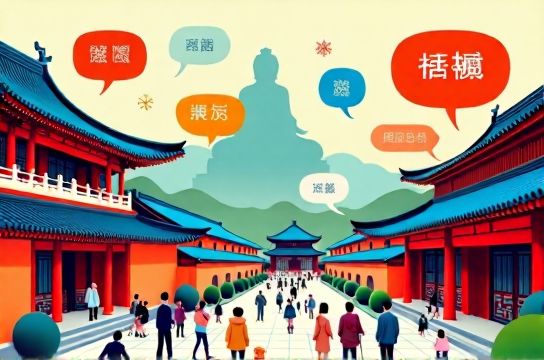
The East vs. The West: Urban Wit Meets Rural Raw
In coastal megacities like Shanghai and Hangzhou, memes are sleek, ironic, and often laced with English phrases or Japanese anime references. Think deadpan delivery and minimalist visuals. Meanwhile, in central and western provinces like Sichuan or Gansu, humor is louder, messier, and deeply rooted in spoken dialects. A Chengdu netizen might laugh at a video of someone mispronouncing 'noodles' in a thick accent, while a Shanghainese user shares a meme about overpriced coffee and startup burnout.
Dialect Drama: When Language Becomes the Punchline
One of the biggest drivers of regional meme flavor? Dialects. Mandarin unifies the country, but online, people flex their linguistic roots. Cantonese speakers in Guangdong love wordplay that only makes sense in their tonal tongue. Northeasterners (from Heilongjiang, Jilin, Liaoning) dominate short-video platforms with exaggerated accents and slapstick skits — their humor is so popular it's practically a national meme export.
| Region | Meme Style | Popular Platforms | Example Trend |
|---|---|---|---|
| Beijing | Sarcastic, political-adjacent | Weibo, Douban | "Involution" satire |
| Sichuan | Playful, spicy banter | Kuaishou, Bilibili | Hotpot argument skits |
| Guangdong | Cantonese puns, retro vibes | WeChat Moments | "Ah Beng" character memes |
| Northeast | Slapstick, exaggerated accents | Douyin, Kuaishou | "Big Shirt" rural comedy |
Cultural Codes & Taboos
What’s funny in Harbin might be offensive in Lhasa. Eastern urbanites roast corporate life and dating struggles; inland users lean into family drama and rural life. Political satire? Mostly veiled in metaphor — especially outside major cities. And religion? Generally off-limits, except in humorous, non-sensitive contexts.
Why It Matters
Understanding regional meme culture isn’t just fun — it’s key for marketers, content creators, and anyone trying to go viral in China. A campaign that works in Shenzhen may flop in Xi’an if it misses the local humor code. The real magic? When memes cross borders, blending styles into something entirely new — like a Sichuan-style roast delivered in Shanghainese-accented Mandarin.
So next time you see a weirdly specific meme, ask: Where’s this *really* from? The punchline might be in the postcode.