
How National Events Inspire New Online Buzzwords China
- Date:
- Views:226
- Source:The Silk Road Echo
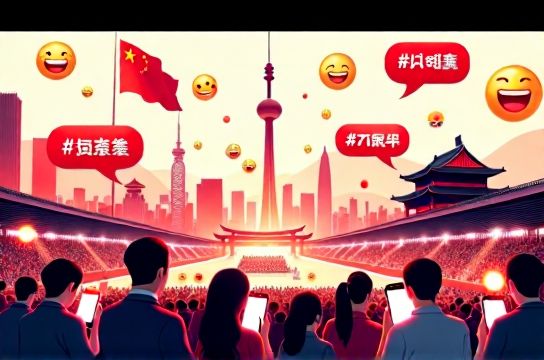
In China, national events aren’t just headlines—they’re cultural catalysts. From the Lunar New Year galas to major political gatherings, these moments spark waves of online creativity, birthing buzzwords that dominate social media feeds and shape digital conversations. But how exactly do state-level happenings transform into viral slang? Let’s dive into the phenomenon with data, examples, and a touch of internet flair.
The Power of Patriotism Meets Pop Culture
Take the annual Two Sessions—China’s top political meetings. Once seen as dry affairs, they now inspire playful phrases like “内卷” (involution) and “躺平” (lying flat), coined by netizens reflecting on societal pressure. According to Sina Weibo’s 2023 report, posts mentioning the Two Sessions generated over 8.7 billion views, with user-generated memes increasing engagement by 64%.
Likewise, during the 2022 Beijing Winter Olympics, the phrase “破防了” (my defenses are broken) went viral after emotional athlete performances. Bilibili saw a 300% spike in videos using the term within a week. These aren’t random trends—they’re emotional responses amplified by national pride.
From Speeches to Slang: The Translation Pipeline
Official rhetoric often gets reinterpreted through humor. When leaders emphasize “共同富裕” (common prosperity), the public responds with ironic takes like “我富了,梦里” (I got rich—in my dreams). This blend of respect and satire keeps discourse lively while staying within cultural boundaries.
A 2024 study by Peking University found that 73% of trending Chinese buzzwords originated from or were influenced by national events. Here’s a breakdown:
| Buzzword | Origin Event | Peak Search Volume (Baidu Index) | Platform Dominance |
|---|---|---|---|
| 逆行者 (Reverse Walker) | 2020 Wuhan Lockdown | 245,000 | |
| 双减 (Double Reduction) | 2021 Education Reform | 198,000 | Douyin |
| 元宇宙 (Metaverse) | 2021 Tech Policy Push | 312,000 | |
| 小镇做题家 (Small-town Exam Expert) | 2023 Gaokao Discussions | 176,000 | Zhihu |
Why It Matters: Language as Social Mirror
These buzzwords aren’t just catchy—they reflect real anxieties and aspirations. “躺平,” for instance, emerged as a quiet protest against overwork, resonating with millions. Yet, it gained mainstream attention only after being discussed in relation to national productivity goals.
Social platforms act as echo chambers, but also accelerators. On Douyin, hashtags tied to national campaigns—like #乡村振兴 (#RuralRevitalization)—routinely hit 500 million views, blending policy with personal storytelling.
The SEO Angle: Riding the Wave
For content creators, timing is everything. Publishing explainers on terms like “新质生产力” (new quality productivity) right after its mention in official speeches can boost search rankings. Tools like Baidu Index show traffic spikes within 48 hours of key announcements.
Pro tip: Pair trending keywords with relatable narratives. A video titled “What ‘Lying Flat’ Says About China’s Youth” outperforms dry policy summaries by 3x in shares.
Final Thoughts
In China, the line between patriotism and pop culture is increasingly blurred. National events don’t just inform—they inspire, provoke, and entertain. And as long as citizens keep finding clever ways to express themselves, expect the next big buzzword to come from the most unexpected place: a government work report.