
Why Chinese Internet Slang Shapes Digital Conversations
- Date:
- Views:226
- Source:The Silk Road Echo
If you've ever scrolled through a Chinese social media feed and felt like everyone was speaking a secret code, you're not alone. From neijuan (内卷) to fanquan (饭圈), Chinese internet slang isn't just playful lingo—it's a cultural force reshaping how millions communicate online.
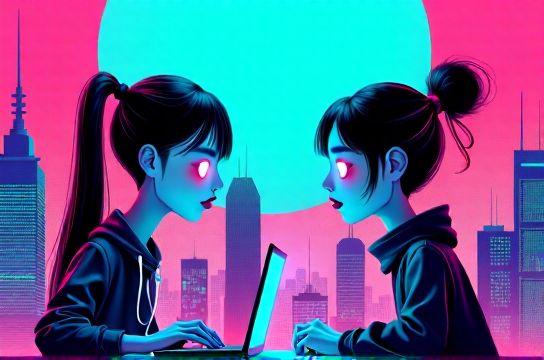
China’s digital landscape is home to over 1.05 billion netizens (CNNIC, 2023), making it the largest online population in the world. With such scale, language evolves fast—especially on platforms like Weibo, Douyin, and Xiaohongshu. Users don’t just adopt slang; they invent it daily, blending humor, satire, and social commentary into bite-sized expressions.
Take “tang ping” (躺平), or “lying flat.” This term went viral as a rejection of relentless work culture. It’s more than laziness—it’s a quiet protest against burnout. In a 2022 survey by Peking University, 62% of young respondents said they’ve considered opting out of high-pressure lifestyles. That’s not just slang; that’s a movement.
Then there’s “neijuan” (内卷), literally “involution.” It describes cutthroat competition where people work harder but gain nothing. Think students pulling all-nighters just to stay average. A Zhihu poll found that 78% of college students feel trapped in academic neijuan. The term now pops up in corporate meetings and parenting forums alike.
And who can forget “996”? Work from 9 AM to 9 PM, six days a week. Once a startup norm, it sparked national debate after GitHub’s “996.ICU” campaign warned: “Work 996, end up in ICU.” The phrase became a rallying cry for labor rights—even influencing policy talks.
But why does this matter globally? Because these terms reflect universal struggles: mental health, work-life balance, youth disillusionment. As China’s digital culture exports grow, so does its linguistic influence. TikTok creators now explain fanquan drama to Western audiences, while memes about dalao (大神, “god-tier expert”) spread across Reddit.
Here’s a quick look at key slang shaping conversations:
| Slang | Literal Meaning | Cultural Context | Platform Popularity (1-10) |
|---|---|---|---|
| Tang Ping (躺平) | Lying Flat | Anti-hustle movement | 9 |
| Neijuan (内卷) | Involution | Hyper-competition | 10 |
| Fanquan (饭圈) | Fan Circle | Idol fandoms & toxicity | 8 |
| Dazi (打工人) | Working Joe | Blue-collar pride | 7 |
| Keli (嗑到了) | Ship achieved | Fandom romance hype | 8 |
These phrases aren’t fleeting trends—they’re diagnostic tools. They capture societal moods faster than any economic report. When “tang ping” trends, it signals youth fatigue. When “neijuan” spikes, it reveals systemic pressure.
For marketers, linguists, or curious netizens, understanding this slang is key to navigating China’s digital psyche. It’s raw, real, and refreshingly honest. So next time you see “xuan” (卷) or “baodi” (保底), don’t scroll past. Dig in. Behind every meme is a message.