
TikTok vs. Kuaishou: Divergent Cultures Behind China’s Short Video Giants
- Date:
- Views:389
- Source:The Silk Road Echo
When it comes to short video apps, two names dominate the conversation in China — TikTok (known as Douyin locally) and Kuaishou. While both platforms are all about quick, addictive clips, they couldn’t be more different in culture, audience, and vibe. Think of them like siblings raised in the same house but who grew up with totally different personalities.
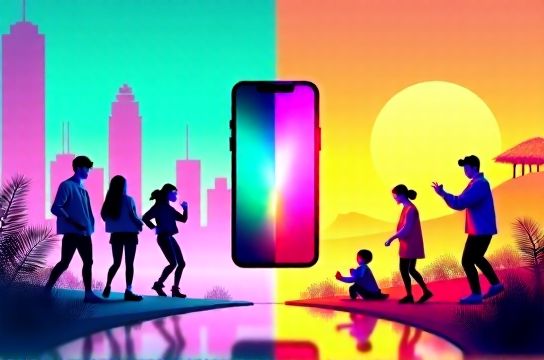
TikTok, backed by ByteDance, is sleek, trend-driven, and obsessed with aesthetics. It's where you go for polished dance routines, fashion hauls, and viral challenges that spread like wildfire. The content feels curated, aspirational — almost like a digital runway. If you're into looking cool, staying on top of trends, or going viral overnight, TikTok’s your playground.
Kuaishou, on the other hand, keeps it real — *really* real. Launched before TikTok, it built its empire on authenticity and community. Instead of chasing fame, many Kuaishou creators focus on everyday life: farming, cooking, small-town hustle, and heartfelt stories from rural China. It’s less about perfection and more about connection. Fans don’t just watch — they engage, support, and even send digital gifts to their favorite creators during live streams.
This cultural split isn’t accidental. TikTok targets younger, urban users who crave entertainment and social clout. Its algorithm pushes flashy content fast, rewarding virality over depth. Kuaishou leans into 'down-to-earth' values, appealing to a broader demographic, including older and non-metro audiences. Its slogan, 'See the World, Meet More People,' says it all — it’s about discovery, not just distraction.
Monetization differs too. On TikTok, success often means brand deals and influencer stardom. Kuaishou thrives on grassroots e-commerce and live-selling, where a farmer can sell fresh fruit straight from their orchard using a phone and a smile. This has made Kuaishou a powerhouse in China’s digital economy beyond the big cities.
And while TikTok conquered the global stage (hello, TikTok dances in LA and London), Kuaishou stayed focused on domestic strength, quietly amassing hundreds of millions of loyal users who value sincerity over style.
So what’s the takeaway? TikTok dazzles; Kuaishou grounds. One feeds your FOMO, the other feeds your soul. They prove that in the world of short videos, there’s room for more than one king — especially when they rule such different kingdoms.
Whether you’re a creator choosing a platform or a viewer scrolling for fun, understanding this cultural divide helps make sense of China’s digital heartbeat. In a country where over a billion people use smartphones daily, TikTok and Kuaishou aren’t just apps — they’re mirrors reflecting two sides of modern Chinese life.