
The Evolution of Emoji Use in Chinese Digital Communication
- Date:
- Views:258
- Source:The Silk Road Echo
You’ve seen them, used them, maybe even overused them — emojis are everywhere in digital chats. But in China? Oh, they’ve taken emoji game to a whole new level. From cute little faces to full-on animated mini-stories, emoji use in Chinese digital communication has evolved from simple smileys into a cultural language of its own.
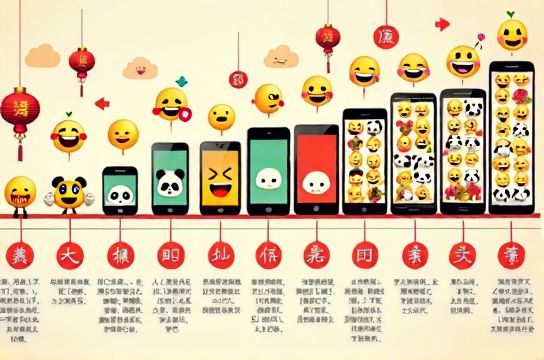
Back in the early 2000s, Chinese netizens started with basic ASCII art and pixelated smiley faces. Think: ^_^ or ( ̄▽ ̄)ノ. These were the OGs of online emotion before smartphones took over. But once WeChat blew up around 2011, everything changed. Suddenly, everyone had access to custom stickers — colorful, expressive, and often hilariously dramatic.
Now, instead of just sending a ‘thumbs up’ 👍, you can send a chubby panda doing a backflip while yelling “加油!” (Jiāyóu! = Keep going!). Or when you’re feeling lazy, there’s an entire series of sleepy cats sipping boba tea. These aren’t just emojis — they’re personality-packed mini-characters that say more than words ever could.
One big reason emojis exploded in China? Language efficiency. Mandarin is tonal and rich in nuance, but typing it fast on mobile isn’t always easy. Emojis and stickers help convey tone instantly — crucial in a culture where saving face and social harmony matter. A well-placed crying-laughing emoji 😂 can soften a blunt message; a blushing puppy 🐶💖 shows humility without losing warmth.
Also, let’s talk about *face-saving*. In Chinese social dynamics, direct confrontation is often avoided. So instead of saying “I’m mad,” someone might send a pouting raccoon or a silent-fuming eggplant. It’s indirect, polite, and somehow way more effective.
And don’t forget the business side. Major brands like Alibaba and Tencent invest heavily in sticker design. Custom emoji packs featuring licensed characters (like Line Friends or local comics) are big money-makers. Some artists even become famous just for creating viral sticker sets.
Today, platforms like WeChat, QQ, and Xiaohongshu support personalized, animated, and even AI-generated stickers. Users don’t just pick from a menu — they create, share, and collect them like digital trading cards.
So what’s next? With AI and AR entering the chat, real-time animated avatars that mimic your facial expressions could soon replace static emojis. Imagine sending a sticker that looks exactly like you, winking after a spicy comment. The line between emoji and identity is blurring — fast.
In short, emoji use in China isn’t just about fun and flair. It’s a smart, evolving form of emotional coding — blending language, culture, and tech into something uniquely expressive.