
How Meme Culture on Weibo Reflects Youth Anxiety in Urban China
- Date:
- Views:295
- Source:The Silk Road Echo
Let’s be real—scrolling through Weibo these days feels less like social media and more like a digital therapy session masked as meme warfare. From sarcastic GIFs to self-deprecating jokes about "involution" (neijuan), Chinese youth aren’t just laughing online—they’re coping. And if you pay close attention, the memes flooding your feed might actually be crying for help.
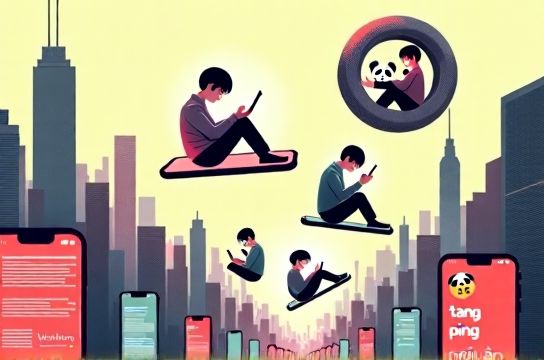
In China’s fast-paced urban hubs like Beijing, Shanghai, and Shenzhen, young adults are under immense pressure. Sky-high housing prices, soul-crushing work hours, and the ever-looming expectation to succeed have created a perfect storm of anxiety. But instead of writing long emotional rants, many are turning to humor—specifically, meme culture—to voice their struggles.
Take the rise of the 'tang ping' or 'lying flat' movement. What started as a quiet protest against overwork quickly became a viral meme trend. Young people posted images of themselves lounging in bed with captions like 'I’d rather nap than slave away for a promotion.' It sounds funny, sure—but underneath the surface is a deep sense of burnout and disillusionment.
Another popular meme format features cartoon characters with deadpan expressions saying things like 'I’m not lazy, I’m just conserving energy for the apocalypse.' On the surface, it’s hilarious. But dig deeper, and you’ll find a generation skeptical about the future, tired of chasing dreams that feel increasingly out of reach.
Weibo, being one of China’s most influential social platforms, has become the go-to space for this kind of digital expression. Unlike official media, it allows for raw, unfiltered commentary—wrapped in humor so it doesn’t get flagged. Memes act as coded language, letting users say what they can’t outright: 'I’m stressed,' 'I’m broke,' 'I don’t know what I’m doing with my life.'
And let’s not forget the role of relatability. A meme about failing a job interview but still ordering takeout hits harder than any news article on youth unemployment. It’s personal, it’s immediate, and it builds community. When thousands repost the same image of a sad cat staring at a mountain of bills, it’s not just about laughs—it’s solidarity.
What makes this meme wave especially powerful is its subtlety. By using irony and exaggeration, young users navigate censorship while still making their voices heard. A post showing a student studying at 3 a.m. with the caption 'Chasing my dreams… or just chasing sleep?' critiques the education system without directly challenging authority.
So yes, Chinese youth are laughing on Weibo—but they’re also screaming into the void, one meme at a time. These digital inside jokes aren’t just entertainment; they’re a cultural barometer, reflecting the stress, hope, and dark humor of a generation trying to survive modern urban life.
In a world where speaking up can be risky, memes have become the ultimate survival tool: equal parts shield, outlet, and silent rebellion.