
The Role of Network Memes in Chinese Digital Life
- Date:
- Views:215
- Source:The Silk Road Echo
In China's fast-paced digital world, network memes aren't just jokes—they're a cultural heartbeat. From diaosi ("underdog") to wǒ tài nán le ("I'm going through too much"), internet slang and viral images shape how millions express emotion, critique society, and bond online.
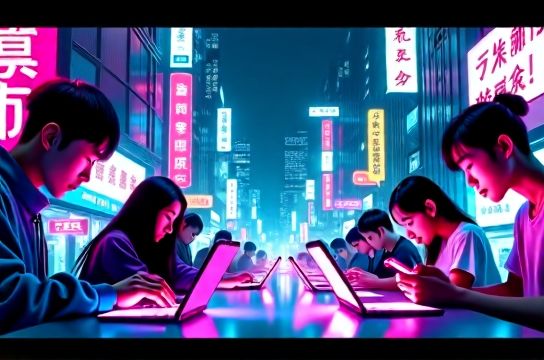
Unlike Western memes that often rely on absurd humor, Chinese memes blend satire, wordplay, and subtle social commentary. Censored platforms push users to get creative—using homophones like baiguoyi ("white glove," mocking elitism) or animals like the "grass-mud horse" (a pun for a curse word). These aren’t random; they’re resistance wrapped in laughter.
Take Douyin (TikTok’s Chinese version) and Weibo. They’re meme powerhouses. A 2023 CNNIC report shows 1.05 billion Chinese netizens, with over 80% under 40. This young, mobile-first crowd doesn’t just consume memes—they create them. One viral trend, the "lying flat" (tang ping) movement, used lazy otter GIFs and blank stares to protest workaholic culture. It sparked national debate—and even government concern.
Brands caught on fast. In 2022, beverage giant Nongfu Spring launched a campaign using the meme "996 is a blessing," ironically embracing the controversial work schedule. Sales jumped 15% among urban youth. That’s the power: memes build trust through shared irony.
| Meme | Literal Meaning | Cultural Significance | Platform Popularity (Weibo/Douyin) |
|---|---|---|---|
| 我太难了 (wǒ tài nán le) | I'm going through too much | Millennial stress & empathy | 4.2B views / 7.8M shares |
| 躺平 (táng píng) | Lie flat | Anti-hustle movement | 2.1B views / 3.5M shares |
| 内卷 (nèi juǎn) | Involution | Workplace burnout | 3.6B views / 5.1M shares |
But it’s not all fun. The government monitors meme use closely. In 2021, regulators warned against "low, vulgar, or decadent" content. Some memes vanish overnight. Yet, the cycle continues—new symbols emerge, language evolves, and digital natives adapt.
So what’s next? As AI-generated memes rise and VR social spaces develop, expect even more layered, interactive forms of expression. But one thing’s clear: in China, a meme isn’t just a laugh. It’s identity, rebellion, and connection—all in one shareable image.