
How Meme Culture China Reflects Youth Expression
- Date:
- Views:284
- Source:The Silk Road Echo
In the digital age, meme culture in China has evolved into a powerful form of youth expression—funny on the surface, but deeply symbolic beneath. From sarcastic diaosi ("loser") memes to ironic depictions of neijuan (involution) and tangping (lying flat), Chinese netizens are using humor as resistance, creativity as rebellion, and absurdity as authenticity.
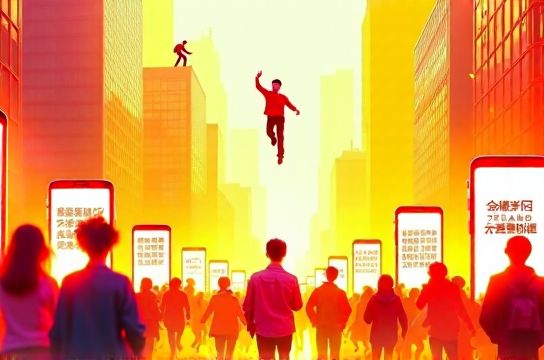
Unlike Western memes that often rely on pop culture references, Chinese memes thrive in coded language and visual metaphors to navigate strict online censorship. A simple image of a sad cat or a potato with sunglasses can carry layers of social commentary. According to a 2023 report by QuestMobile, over 68% of Chinese internet users aged 18–35 engage with meme content daily, primarily on platforms like Weibo, Bilibili, and Douyin.
Let’s break down how meme culture in China isn’t just about laughs—it’s a mirror of generational frustration, identity, and quiet defiance.
The Language of Resistance: Memes as Social Commentary
Take the rise of tangping, or "lying flat." What started as a viral post on Tieba in 2021 quickly became a meme movement—a rejection of relentless work culture. Netizens shared images of people napping, paired with slogans like “I’d rather lie flat than burn out.” This wasn’t laziness; it was protest disguised as apathy.
Similarly, neijuan, meaning "involution," describes the exhausting rat race where more effort yields no real progress. Memes show students studying 20-hour days or office workers competing to stay late—even if unproductive. It’s satire with substance.
Data Snapshot: Meme Engagement Among Chinese Youth
| Age Group | Daily Meme Users (%) | Top Platforms | Common Themes |
|---|---|---|---|
| 18–24 | 74% | Bilibili, WeChat | Academic stress, unemployment |
| 25–35 | 62% | Weibo, Zhihu | Workplace pressure, housing costs |
| 36+ | 38% | WeChat Moments | Nostalgia, family life |
Sources: QuestMobile (2023), CNNIC Statistical Report
Why Visuals? Censorship and Creativity
In a tightly regulated online space, direct criticism is risky. But a meme? That’s art. That’s joke. That’s plausible deniability. The use of animals (like the famous "Grass Mud Horse"), abstract doodles, or even food items allows young people to say what they can’t type.
For example, the phrase "dui bu qi" (sorry) paired with a crying emoji became a meme after censors blocked political keywords. It’s not just funny—it’s linguistic guerrilla warfare.
Cultural Hybridity: East Meets Internet
Chinese meme culture blends traditional symbolism with internet absurdity. The "Buddha-like youth" (Foj系青年) trend uses Buddhist imagery to express emotional detachment from societal expectations. A meme might show Buddha meditating on a subway platform with the caption: "No job, no problem. I’m at peace."
This fusion reflects a generation caught between Confucian duty and modern disillusionment. They’re not rejecting values—they’re reinterpreting them through irony.
From Niche to Norm: Memes Go Mainstream
Brands have noticed. Companies like Li-Ning and Pechoin use meme aesthetics in ads to appeal to youth. Even state media occasionally adopts meme language—though usually sanitized—to seem relatable.
But commercialization risks diluting the subversive edge. When memes become marketing tools, do they lose their soul? Many young netizens argue: once a meme is on a billboard, it’s already dead.
Conclusion: More Than Just a Laugh
Meme culture in China is a survival tactic, a creative outlet, and a silent scream all rolled into one. It’s how a generation says, "We see the system, we’re tired, but we’re still here—and we’re laughing anyway."
So next time you see a Chinese meme of a potato wearing sunglasses, don’t just laugh. Look closer. There’s a story in that spud.