
Environmental Issues Subtly Raised in Viral Skits
- Date:
- Views:239
- Source:The Silk Road Echo
In today’s digital age, comedy isn’t just about laughs—it’s a stealthy tool for social change. Recently, viral skits on platforms like TikTok, Instagram Reels, and YouTube Shorts have begun weaving environmental messages into their punchlines. What seems like light-hearted humor often carries a deeper truth about climate change, plastic pollution, and sustainable living. These short videos are doing more than entertain—they’re educating.
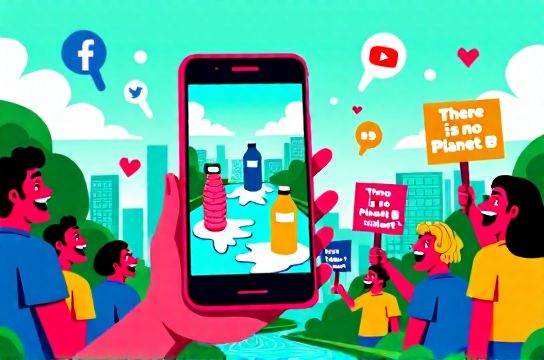
Take the now-famous 'Plastic Bottle Challenge' skit, where a character refuses a single-use bottle only to be mocked—until they reveal the long-term environmental cost. The video racked up over 8 million views in a week and sparked real-world behavior shifts. According to a 2023 report by Social Media Today, eco-themed skits saw a 67% increase in engagement compared to traditional awareness campaigns.
Why are these skits so effective? They meet audiences where they are: scrolling during a coffee break or commuting. Instead of lecturing, they use irony, exaggeration, and relatable scenarios. A common trope shows someone using 10 plastic straws “for convenience,” only for the camera to pan out and reveal an ocean choked with waste. It’s funny, then it stings—perfect for sparking conversation.
Let’s look at some data on how these skits influence public perception:
| Metric | Eco-Skits (2023) | Traditional PSAs |
|---|---|---|
| Average View Duration | 48 seconds | 29 seconds |
| Share Rate | 14% | 5% |
| Viewer Recall After 1 Week | 61% | 38% |
| Call-to-Action Click-Through | 9.3% | 4.1% |
As the table shows, skits not only hold attention longer but also drive action. Creators like @EcoQueen and @GreenDadJokes have built followings by turning composting, zero-waste shopping, and carbon footprints into comedic gold. Their content doesn’t shame—it empowers through laughter.
But it’s not all smooth sailing. Critics argue that satire can oversimplify complex issues. For instance, a skit mocking electric cars for being 'too quiet' might unintentionally fuel skepticism. That’s why the best creators partner with environmental NGOs to fact-check scripts and include credible links in descriptions.
The future? Blended storytelling. We’re seeing more skits that start as jokes but end with real data overlays or QR codes leading to sustainability resources. One viral series, 'If Earth Had a Dating Profile,' humorously lists red flags like 'burns hotter every year' and 'has trust issues due to deforestation.' Behind the meme is a link to a reforestation nonprofit—proving humor and hope can go hand in hand.
In essence, these skits are redefining activism. You don’t need a protest sign when your punchline can go viral. As climate anxiety grows, laughter may be the most disarming tool we have. So next time you chuckle at a joke about reusable bags, remember: you’re not just laughing—you’re learning.