
Parody Accounts and Satirical News in China Online
- Date:
- Views:248
- Source:The Silk Road Echo
In the fast-paced world of Chinese social media, parody accounts and satirical news have become a cultural phenomenon. Platforms like Weibo, Douyin, and Xiaohongshu are flooded with humorous takes on politics, society, and daily life—wrapped in irony, wit, and sometimes subtle criticism. But how do these accounts thrive under strict internet regulations? Let’s dive into the clever world of online satire in China.
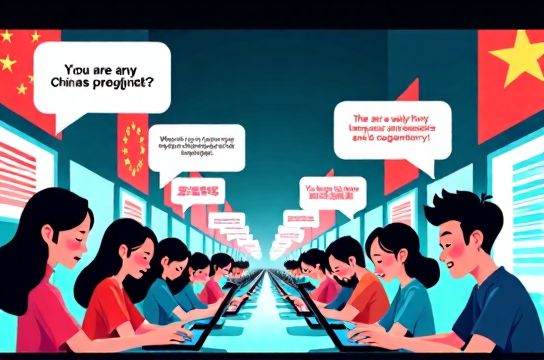
The Rise of Digital Mockery
Despite tight censorship, Chinese netizens have mastered the art of creative expression. Parody accounts often mimic official media or public figures using exaggerated headlines and absurd scenarios. For example, fake 'Xinhua News Agency' posts joking about office workers surviving on instant noodles went viral in 2023, racking up over 5 million views before being taken down.
Satire thrives in gray zones—using metaphors, homophones, and memes to bypass keyword filters. A well-known tactic is replacing sensitive terms with puns (e.g., 'harmony' for censorship). This linguistic creativity keeps content alive just long enough to spark discussion.
Why Do People Love It?
Chinese youth face immense pressure—from sky-high housing prices to the infamous '996' work culture. Satirical content offers emotional relief. A 2024 survey by Peking University found that 68% of respondents aged 18–30 regularly engage with political parody content, seeing it as both entertainment and indirect commentary.
These accounts don’t just mock; they reflect real frustrations. One popular Weibo parody, @JinriToutiaoFake, pretends to be a sensationalist news outlet reporting fake policies like 'mandatory nap time for civil servants.' While clearly absurd, such jokes highlight genuine concerns about bureaucracy and work-life balance.
Survival Tactics: How They Stay Online
Operating in a high-risk environment, parody creators use several strategies:
- Plausible deniability: Claiming content is “just a joke” if questioned.
- Rapid reposting: Sharing across multiple platforms before takedowns.
- Community codes: Using inside jokes only understood by regular followers.
Interestingly, some parody accounts gain unofficial tolerance if they avoid direct attacks on top leadership or national unity. The government often allows mild satire as a safety valve for public sentiment.
Data Snapshot: Popularity & Reach
Here’s a look at key metrics from top parody accounts in early 2024:
| Account Name | Platform | Follower Count | Avg. Engagement Rate | Main Theme |
|---|---|---|---|---|
| @JinriToutiaoFake | 2.3M | 7.8% | Bureaucracy & Daily Life | |
| @GuoKanZaCao | 1.8M | 6.5% | Political Humor (veiled) | |
| @MinistryOfMeme | Douyin | 4.1M | 12.3% | Youth Culture & Work Stress |
The Line Between Fun and Trouble
Not all parodies survive. In 2023, over 120 satire-focused accounts were permanently banned for crossing invisible red lines. The risk is real—but so is the reward. Some creators even monetize through merchandise or live streams while staying anonymous.
Ultimately, parody in China isn’t just comedy—it’s digital resistance wrapped in laughter. As long as people need to vent, these voices will keep evolving, one meme at a time.