
From Ironic to Iconic Meme Culture China Trends
- Date:
- Views:216
- Source:The Silk Road Echo
If you've spent more than five minutes scrolling through Chinese social media, you’ve probably seen it — that oddly satisfying mix of absurdity, satire, and cultural nuance packed into a single meme. What started as ironic internet humor has evolved into a full-blown cultural phenomenon. Welcome to the world of China's meme culture, where laughter meets commentary, and viral images shape public sentiment.
The Rise of Irony in Chinese Digital Spaces
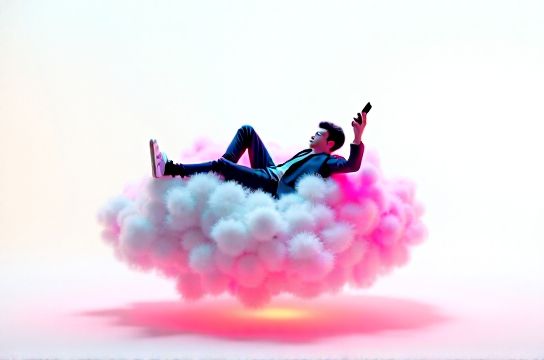
In China, memes aren’t just jokes — they’re social commentary disguised as comedy. With tight content regulations, netizens have turned to irony, sarcasm, and visual puns to express opinions on everything from work-life balance to urban pressures. Take the phrase 'tang ping' (lying flat) — a passive resistance movement born from exhaustion with hustle culture. It exploded not through manifestos, but through memes of lazy cats, motionless frogs, and sleepy office workers.
Another example? 'Neijuan' — or 'involution' — a term describing cutthroat competition for minimal gains. Memes depict students studying in sleep pods, employees coding at midnight, and even vegetables sweating under pressure. These visuals resonate because they're relatable, sharable, and subtly rebellious.
Data That Speaks Volumes
Let’s look at some numbers. According to a 2023 report by QuestMobile, over 780 million users in China engage with short videos daily — the primary vehicle for meme distribution. Platforms like Douyin (TikTok’s domestic cousin), Bilibili, and Weibo are meme incubators.
| Platform | Daily Active Users (Millions) | Meme-Related Content Share |
|---|---|---|
| Douyin | 420 | 38% |
| Bilibili | 110 | 52% |
| 250 | 45% |
Notice how Bilibili leads in meme density? That’s no accident. Its user base is young, creative, and deeply immersed in niche internet subcultures.
From Jokes to Icons: When Memes Go Mainstream
Sometimes, a meme transcends irony and becomes iconic. Consider the 'Grass Mud Horse' — a homophonic joke mocking censorship (caonima sounds like a vulgar phrase). Once an underground symbol, it now appears in art exhibits and academic papers. Or take 'Xiao Ping Q', a cartoon duck that became a political parody icon before being censored — yet still lingers in subtle forms.
Brands have caught on too. In 2022, Li-Ning launched a campaign using 'neijuan'-themed memes, showing athletes training obsessively — turning critique into cool. Even government outlets use memes: CCTV once shared a cartoon panda sipping tea labeled 'Don’t panic, stay calm' during a crisis.
Why This Matters Beyond the Laughs
Chinese meme culture is more than entertainment — it’s a coping mechanism, a form of soft resistance, and a mirror to societal stress. As one Zhihu user put it: 'We can’t protest, so we post a frog meme. It says everything.'
And globally? These trends influence cross-border digital culture. K-pop fans borrow Chinese meme formats; Reddit threads dissect 'tang ping' philosophy. The line between ironic joke and cultural movement has never been thinner.
So next time you see a sleepy frog or a sweating radish, don’t just laugh — read between the pixels. In China’s digital landscape, humor isn’t escape. It’s expression.