
Meme Culture China How Humor Spreads Online Fast
- Date:
- Views:244
- Source:The Silk Road Echo
In the wild world of Chinese social media, memes aren’t just jokes—they’re a cultural superpower. From Weibo to Douyin, netizens turn everyday moments into viral sensations overnight. But how does humor spread so fast in China’s tightly regulated digital space? Let’s dive into the meme machine.
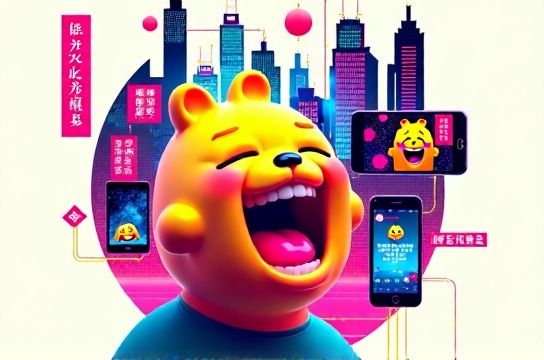
The Rise of Meme Power
China’s internet population exceeds 1.05 billion, and nearly all of them are scrolling, sharing, and remixing memes daily. Unlike Western platforms where memes often rely on text or image macros, Chinese memes thrive on video skits, voice filters, and clever wordplay that dances around censorship.
Take the phrase “内卷” (nèijuǎn)—meaning 'involution' or burnout culture. It started as an academic term but exploded into a meme format showing exhausted office workers, students pulling all-nighters, and even pets running on hamster wheels. The meme doesn’t just mock—it critiques.
Top Platforms Fueling the Fire
Here’s where the magic happens:
| Platform | Monthly Active Users (2024) | Meme Style |
|---|---|---|
| 580 million | Viral hashtags, image macros | |
| Douyin (TikTok China) | 750 million | Short videos, audio trends |
| Bilibili | 315 million | Anime edits, sarcastic subtitles |
| Little Red Book (Xiaohongshu) | 260 million | Lifestyle satire, fashion roasts |
Douyin, for instance, turns a 15-second clip of someone tripping into a nationwide trend with custom soundtracks. Bilibili users add sarcastic bullet comments (danmu) flying across screens, creating real-time collective humor.
Survival Tactics: Dancing Around Censors
You can’t directly mock politics—but you can parody it. That’s where veiled satire shines. A cartoon panda wearing sunglasses and saying “I’m not tired, I just don’t want to work” becomes a symbol of resistance without naming names.
Emojis, homophones, and ancient poetry references help bypass keyword filters. For example, “grass-mud-horse” (草泥马) sounds like a curse but literally means 'grass mud horse'—a meme creature born from linguistic rebellion.
Why Chinese Memes Go Global
They’re relatable. A 2023 study found that 68% of Gen Z in Asia prefer Chinese meme formats over Western ones due to their emotional expressiveness and rhythm. Even K-pop fans borrow Douyin transitions for fan edits.
Brands get it too. Pepsi China launched a campaign using doge-eyed animation filters, boosting engagement by 40% in three weeks.
The Future of Funny
As AI tools spread, expect more auto-generated meme packs based on trending news. But the soul stays human—the shared eye-roll, the collective sigh, the laugh that says, ‘Yeah, we’re all surviving this chaos together.’
So next time you see a weird panda or a dancing grandpa, remember: it’s not just funny. It’s freedom in disguise.